
Rollino Casino Inactive Accounts: Fees, Deadlines and Confiscation
 Available in GB

Inactive Accounts at Rollino Casino: Rules and Risks
There is a category of casino issue that nobody thinks about until it costs them money: dormant account policies. I first encountered this problem when a reader contacted me about a balance that had vanished from an offshore casino after a six-month break. No warning email. No phased fee structure. Just a zero balance and a line in the terms and conditions that he had never read. That experience is more common than the industry likes to admit, and Rollino’s policies on inactive accounts deserve the same scrutiny I apply to more visible features like bonuses and withdrawal times.
Approximately 8% of US adults show at least one indicator of problem gambling, and while the UK and European figures differ in methodology, the underlying dynamic is similar: a meaningful minority of players experience periods of disengagement followed by return visits. Those return visits should not be greeted by an empty balance and no explanation. Understanding the inactivity timeline, the fee structure and the confiscation triggers at Rollino is essential for anyone who plays intermittently rather than daily.

Inactivity Deadlines and Automatic Fees
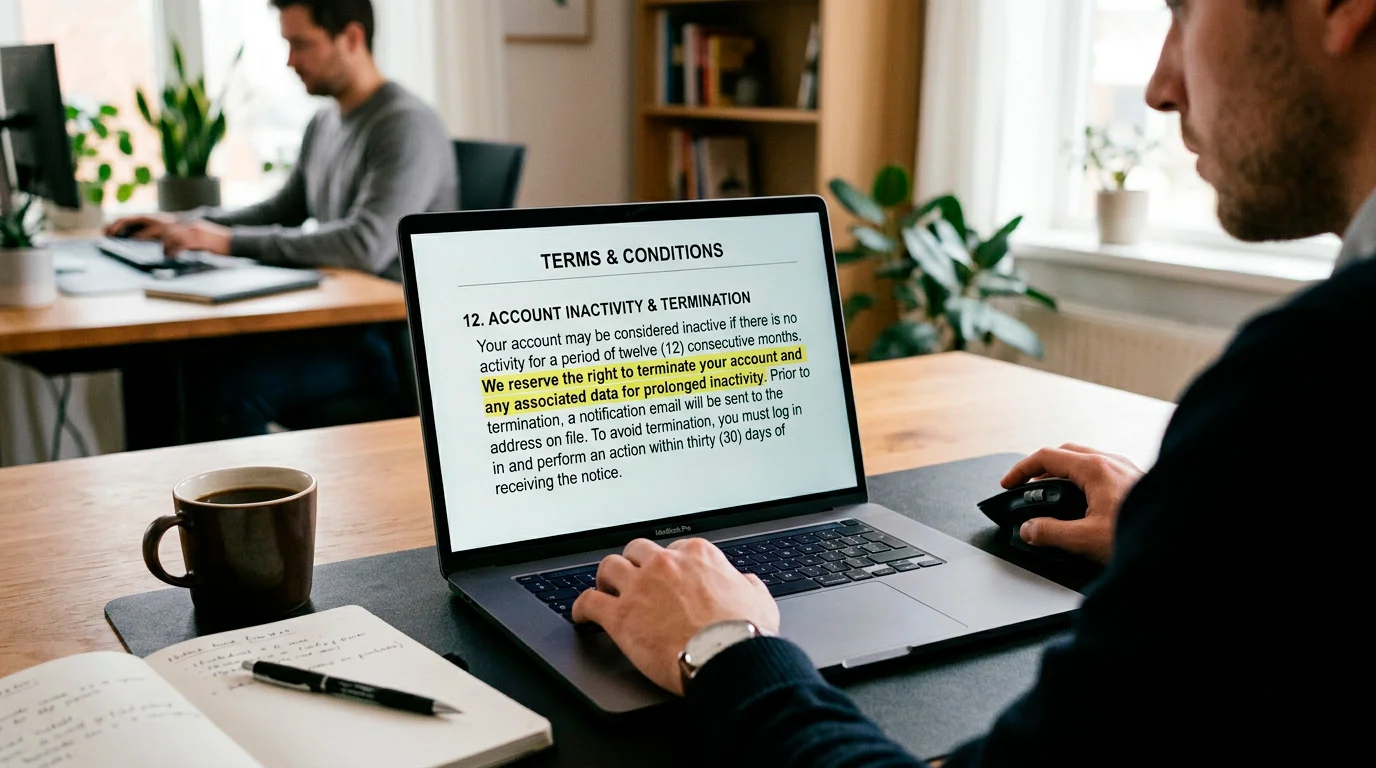
Most online casinos define inactivity as a period during which no deposits, withdrawals, wagers or login events are recorded on the account. The specific threshold varies — some platforms set it at 90 days, others at six months, and a few wait a full year before triggering dormancy protocols. Rollino’s terms specify an inactivity period after which the account is classified as dormant and administrative fees may begin to apply.
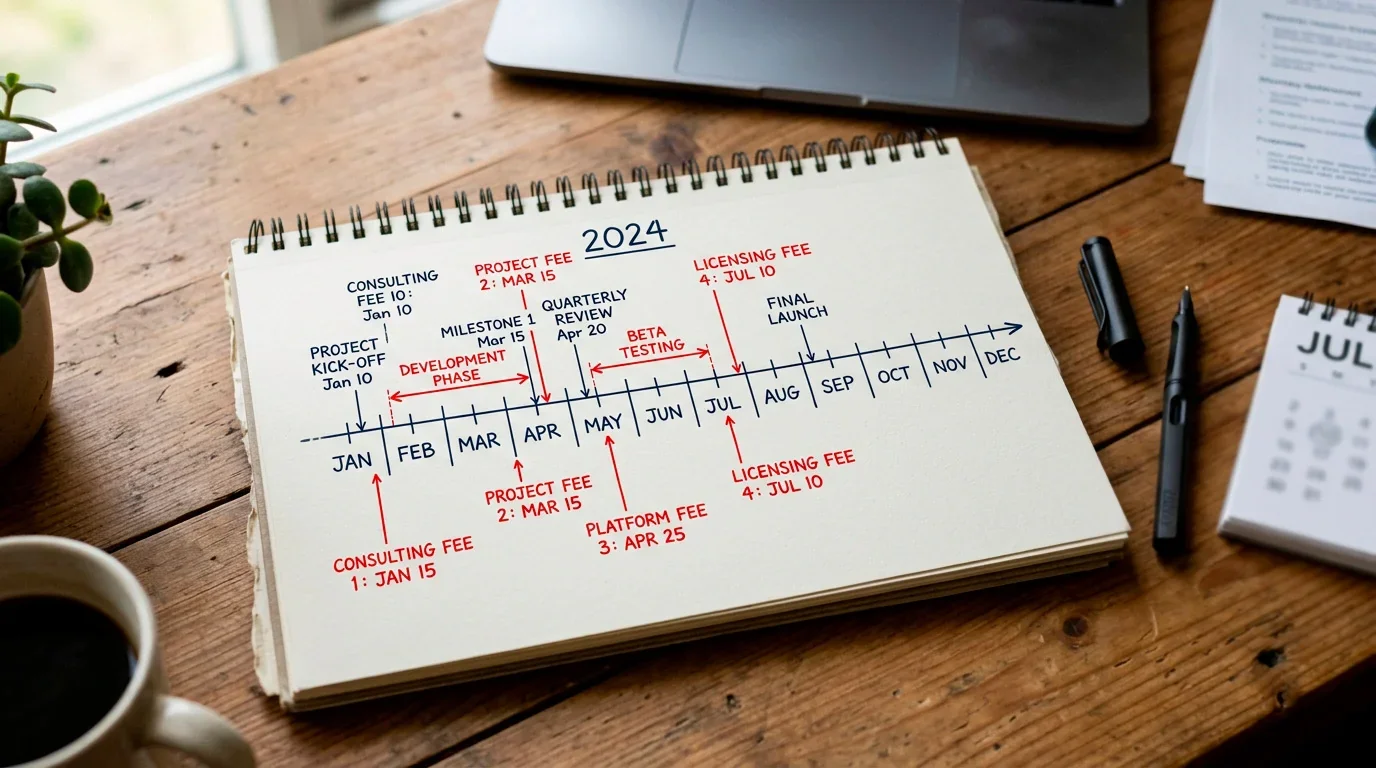
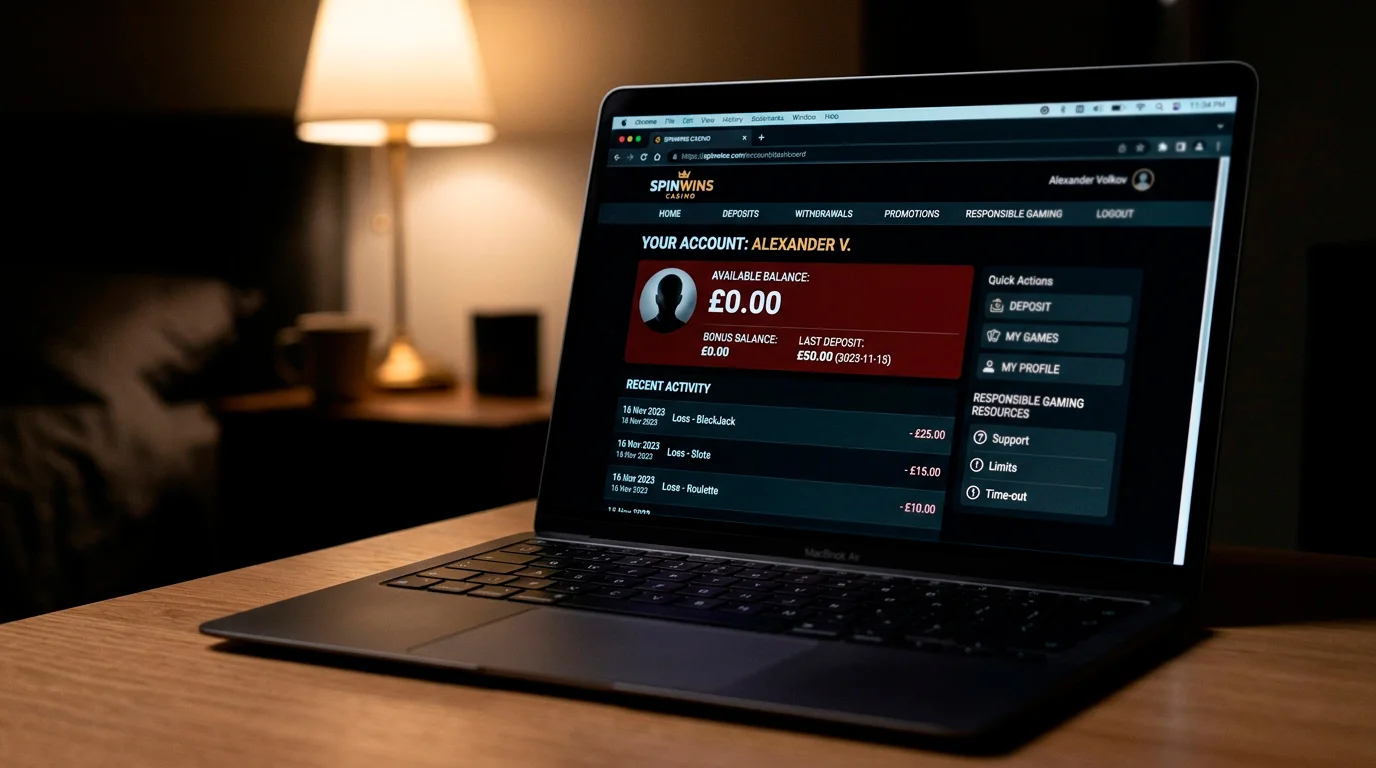
The fee mechanism is worth understanding in detail. Once the inactivity threshold is crossed, Rollino reserves the right to charge a recurring administrative fee against the remaining balance. This fee is deducted automatically — there is no manual approval step and, critically, the deductions continue until either the balance reaches zero or the player reactivates the account by logging in and performing a qualifying action. The compounding effect of monthly fees on a small balance means that a player who left 50 pounds in their account could return to find single digits or nothing.
The notification question is important. Rollino’s terms state that the platform may attempt to notify players before dormancy fees take effect, typically via the email address on file. In practice, the reliability of these notifications depends on whether the email is current and whether the message clears spam filters. I have reviewed player complaints where individuals claimed they never received a dormancy warning, and verifying that claim from either side is nearly impossible after the fact. The practical takeaway: do not rely on being notified. Track your own inactivity window.
Altacore N.V., which operates Rollino alongside 17 or more other casino brands, applies similar dormancy policies across its portfolio. If you hold accounts at multiple Altacore-operated platforms, each account has its own independent inactivity clock. A deposit at one brand does not reset the timer at another.
Balance Confiscation: When and Why It Happens
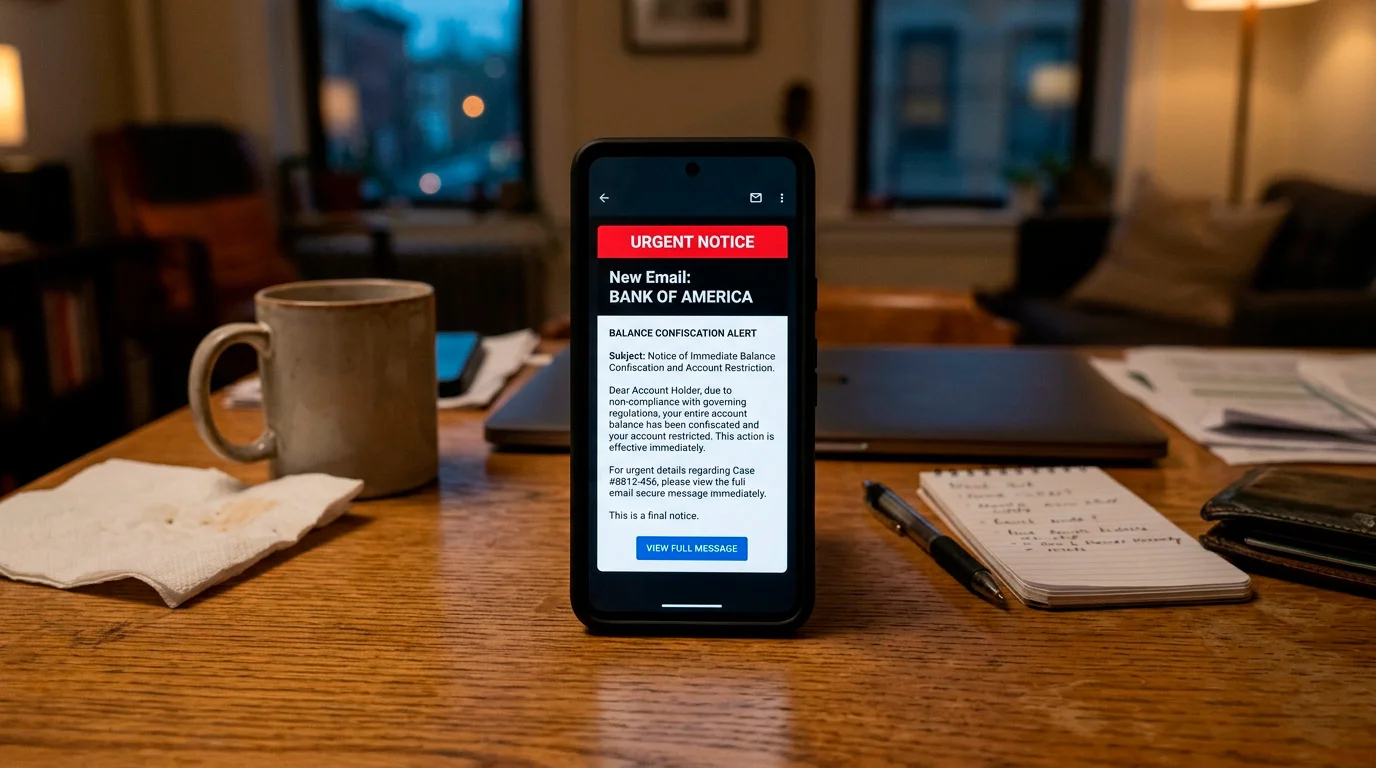
Dormancy fees are one thing; full balance confiscation is another. After a prolonged period of inactivity — typically extending well beyond the initial fee-trigger threshold — Rollino’s terms permit the platform to close the account entirely and forfeit any remaining balance. This is not unique to Rollino. It is standard practice across the Curaçao-licensed segment and, honestly, across much of the regulated market as well. UKGC-licensed operators face stricter requirements around returning dormant funds, but even they can eventually close accounts and remit unclaimed balances to the regulator.
The justification operators give is regulatory compliance. Anti-money-laundering rules require platforms to maintain active oversight of funded accounts. An account that has been dormant for 12 or more months with a residual balance creates a compliance liability — the funds are sitting in an unmonitored state, which regulators view as a potential laundering risk. Whether that justification is proportionate when the balance is 30 pounds is debatable, but the legal framework supports it.
What makes confiscation particularly frustrating for players is the irreversibility. Once a balance is forfeited under the dormancy policy, there is no standard recovery mechanism. You can contact support and argue, but the terms you agreed to at registration typically give the operator clear contractual authority to take the action. The complaint forums are full of stories like this, and the outcomes are almost uniformly disappointing for the player.
Avoiding Account Suspension: Practical Recommendations
Prevention is straightforward — the challenge is remembering to do it. The simplest safeguard is to log in periodically, even if you have no intention of playing. A login event typically resets the inactivity clock, though you should verify this in Rollino’s specific terms since some platforms require a wager or transaction rather than a mere login to count as activity.
If you are planning a break from gambling — whether for personal reasons, financial discipline or simply because you have moved on to other forms of entertainment — withdraw your balance first. Do not leave money sitting in an offshore casino account on the assumption that it will be there when you return. The cost of a withdrawal transaction is trivial compared to the cost of losing the entire balance to dormancy fees or confiscation.
Set a calendar reminder. It sounds absurdly simple, but a quarterly reminder to check your casino accounts takes ten seconds to create and can save you the full contents of a dormant balance. If you use multiple platforms, a single spreadsheet listing your accounts and their last activity dates is worth maintaining.
For players who are stepping away because of gambling-related concerns rather than mere disinterest, the better approach is to self-exclude and request account closure proactively. A closed account with a zero balance cannot generate dormancy fees, and the act of closing it creates a clear endpoint. Rollino’s responsible gambling tools include self-exclusion options — using them is a cleaner exit than simply walking away and hoping the balance takes care of itself.

After how long does Rollino Casino charge inactivity fees?
Rollino’s terms specify an inactivity threshold after which the account is classified as dormant and recurring administrative fees may be deducted from the remaining balance. The exact timeframe is detailed in the current terms and conditions, which players should review at registration. Once triggered, fees are deducted automatically until the balance reaches zero or the account is reactivated.
Can you reactivate an inactive Rollino account?
In most cases, logging in and performing a qualifying action such as a deposit or wager will reactivate a dormant account and stop further fee deductions. However, if the account has progressed to full closure and balance confiscation, reactivation typically requires contacting support directly, and recovery of forfeited funds is not guaranteed under the platform’s terms.
Prepared by the Rollino Casino editorial staff.