Rollino Casino Withdrawal: Complete Guide 2026
 Available in GB

Table of Contents
Rollino Casino Withdrawal: Complete Guide 2026
The deposit goes through in seconds. The withdrawal? That is where the relationship between a player and a casino gets tested. I have been auditing payout processes for nearly a decade, and the pattern is consistent: a platform’s true character shows in how it handles money leaving the building, not money entering it.
Rollino Casino operates a withdrawal system that supports both fiat and cryptocurrency methods, with a headline daily limit of EUR 100,000 and processing windows that vary by payment channel. This guide walks through the entire cycle — from initiating a request in the cashier to seeing funds arrive in your wallet or bank account. I cover each available method, the timelines I have observed, the verification requirements that can delay a first withdrawal, and the most common problems players encounter along with their fixes.
Every figure here reflects the conditions published in Rollino’s terms at the time of writing and, where possible, cross-referenced against third-party reports and player accounts. Processing times in particular should be treated as ranges rather than guarantees — they depend on the operator’s internal queue, the payment provider, and in the case of cryptocurrency, network congestion.
Before diving into the methods, a brief note on the general framework. Rollino operates under a Curaçao licence through Altacore N.V., and Curaçao-licensed casinos tend to offer a wider range of payment options than platforms regulated under stricter EU frameworks. The trade-off is that payout processes are less standardised — what works smoothly for one player may differ for another depending on their country of residence, the payment method selected, and whether the account has been fully verified. This guide is built around the assumption that you want to understand every variable before you commit funds.
All Withdrawal Methods at a Glance
Every few months I compile a spreadsheet of payout options across fifty-odd Curaçao-licensed casinos. The spread has narrowed over the past two years — most platforms now cluster around the same core set of methods — but the details within each method still vary enough to matter. The crypto gambling sector alone has grown to an estimated $65 billion or more in 2026, which means the crypto withdrawal infrastructure is no longer an afterthought but a primary channel.
Rollino supports withdrawals through e-wallets, bank transfer, and cryptocurrency. The e-wallet options include the standard names you would expect on an offshore platform: services that process international transactions without the friction of direct bank integration. Processing times for e-wallet withdrawals typically run between 24 and 48 hours from approval, though the operator’s internal review adds a pending period before the payment provider even receives the instruction.
Bank transfers — sometimes called wire transfers — are the slowest channel. After the operator approves the request, the banking network adds its own processing layer. A total turnaround of three to five business days is normal, and it can stretch to seven if the transfer crosses currency zones or triggers compliance checks at the receiving bank. The minimum withdrawal amount for bank transfers tends to be higher than for e-wallets, often EUR 50 to EUR 100.
Cryptocurrency is where Rollino distinguishes itself from pure-fiat operators. Bitcoin dominates crypto withdrawal volume across the industry, accounting for roughly 66 % of all crypto-based gambling transactions. Ethereum follows at about 9 %, Litecoin at 6 %, and stablecoins — USDT and USDC in particular — are the fastest-growing segment. Stablecoins are projected to handle over 70 % of all crypto gambling transactions by the end of 2026, driven by their price stability and lower network fees compared to Bitcoin during peak congestion.
The practical advantage of crypto withdrawals is speed. Once approved by the operator, a Bitcoin transaction confirms on the blockchain within 10 to 60 minutes depending on network load and the fee attached. Ethereum is typically faster, and stablecoin transactions on chains like Tron can settle in under a minute. The disadvantage is that crypto withdrawals require the player to manage a wallet address correctly — one wrong character and the funds are irrecoverable.
A point that is easy to miss when comparing methods: not every option available for deposits is necessarily available for withdrawals. Credit and debit card deposits, for example, are common across the industry, but card-based withdrawals are far less so — many card issuers block incoming transactions from gambling merchants, and the regulatory environment around card refunds from offshore operators is complicated. If you deposit by card and need to withdraw, you may be redirected to a bank transfer or e-wallet. Always check the withdrawal options in the cashier before depositing, not after.
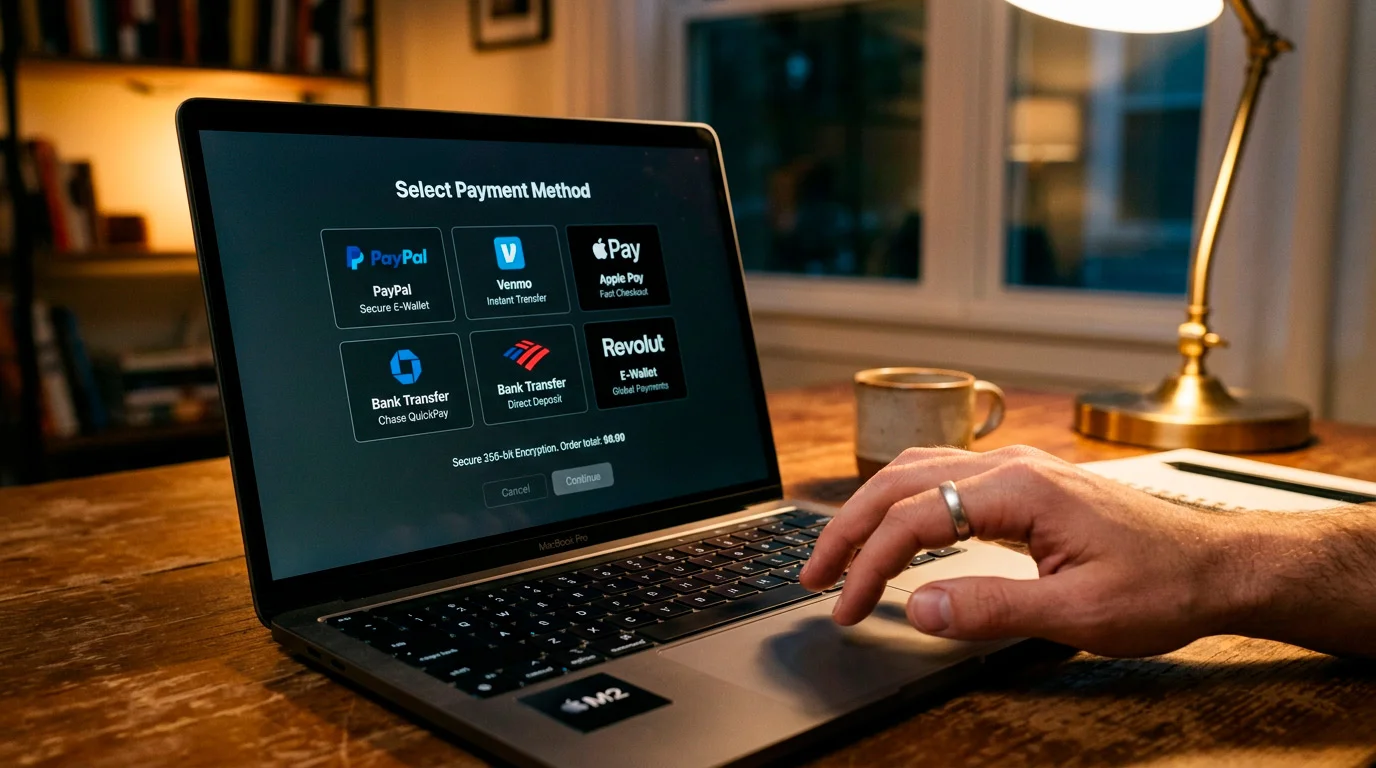
The method you choose also affects the minimum and maximum withdrawal amounts. Crypto generally has the lowest minimums (often equivalent to EUR 10 to EUR 20), e-wallets sit in the middle, and bank transfers tend to have the highest floor. Maximum per-transaction limits also differ — a single e-wallet withdrawal might be capped at EUR 5,000 while a bank transfer can handle larger sums in a single instruction. Players who need to move larger amounts should factor these per-transaction caps into their planning.
Crypto Withdrawals: Bitcoin, Ethereum and Stablecoins
The previous section gave you the overview — now let me walk through the mechanics of each crypto withdrawal option, because the differences between Bitcoin, Ethereum, and stablecoins are not just academic. They affect how long your money takes to arrive, how much you pay in fees, and how much exchange-rate risk you carry.
At Rollino, crypto withdrawals follow the same basic flow as fiat: you submit a request through the cashier, the operator reviews and approves it, and then the transaction is broadcast to the blockchain. The key difference is what happens after approval. With a bank transfer, you are at the mercy of the banking system’s operating hours and compliance layers. With crypto, you are at the mercy of network confirmations — which run 24 hours a day, seven days a week.
Bitcoin withdrawals at Rollino require a valid BTC wallet address. Double-check it. Then check it again. Bitcoin transactions are irreversible once broadcast, and the operator cannot recall a payment sent to the wrong address. The transaction typically appears in the recipient’s wallet within one to three network confirmations, which translates to roughly 10 to 45 minutes under normal conditions. During periods of high network activity — after a major price movement, for instance — confirmation times can stretch to several hours.
Ethereum withdrawals are generally faster, with single-confirmation finality on most exchanges and wallets. Rollino also supports withdrawals in stablecoins, which eliminate the exchange-rate risk inherent in volatile assets like BTC or ETH. A player who deposits 500 USDT and withdraws 600 USDT knows exactly what they are receiving in dollar-equivalent terms. This predictability has made stablecoins increasingly popular among players who want the speed of crypto without the volatility.
One operational consideration: Rollino may apply minimum withdrawal amounts that differ by cryptocurrency. A minimum BTC withdrawal of 0.001 BTC, for example, reflects the network fee economics — processing a withdrawal below a certain threshold costs the operator more in transaction fees than the withdrawal is worth. These minimums change as network fees fluctuate, so verify the current threshold in the cashier before initiating a withdrawal.
Withdrawal Limits and Processing Times
Withdrawal limits are the clause that catches high-stakes players off guard. You win EUR 250,000 on a progressive jackpot and then discover you can only withdraw EUR 100,000 per day. The remaining EUR 150,000 sits in the account, exposed to the temptation of continued play, for at least two more days. Rollino’s headline limit of EUR 100,000 per day is high by Curaçao-casino standards — many competitors cap daily withdrawals at EUR 10,000 to EUR 50,000 — but it is still a limit, and it applies regardless of the withdrawal method.
Monthly limits compound the daily ceiling. While Rollino’s daily cap is relatively generous, the cumulative monthly limit may impose a lower effective ceiling for players who withdraw frequently. The exact monthly figure is published in the terms and conditions and should be confirmed before depositing significant sums. A player planning to use Rollino for high-volume play needs to verify both the daily and monthly ceilings to ensure they are compatible with their bankroll and expected cashout frequency.
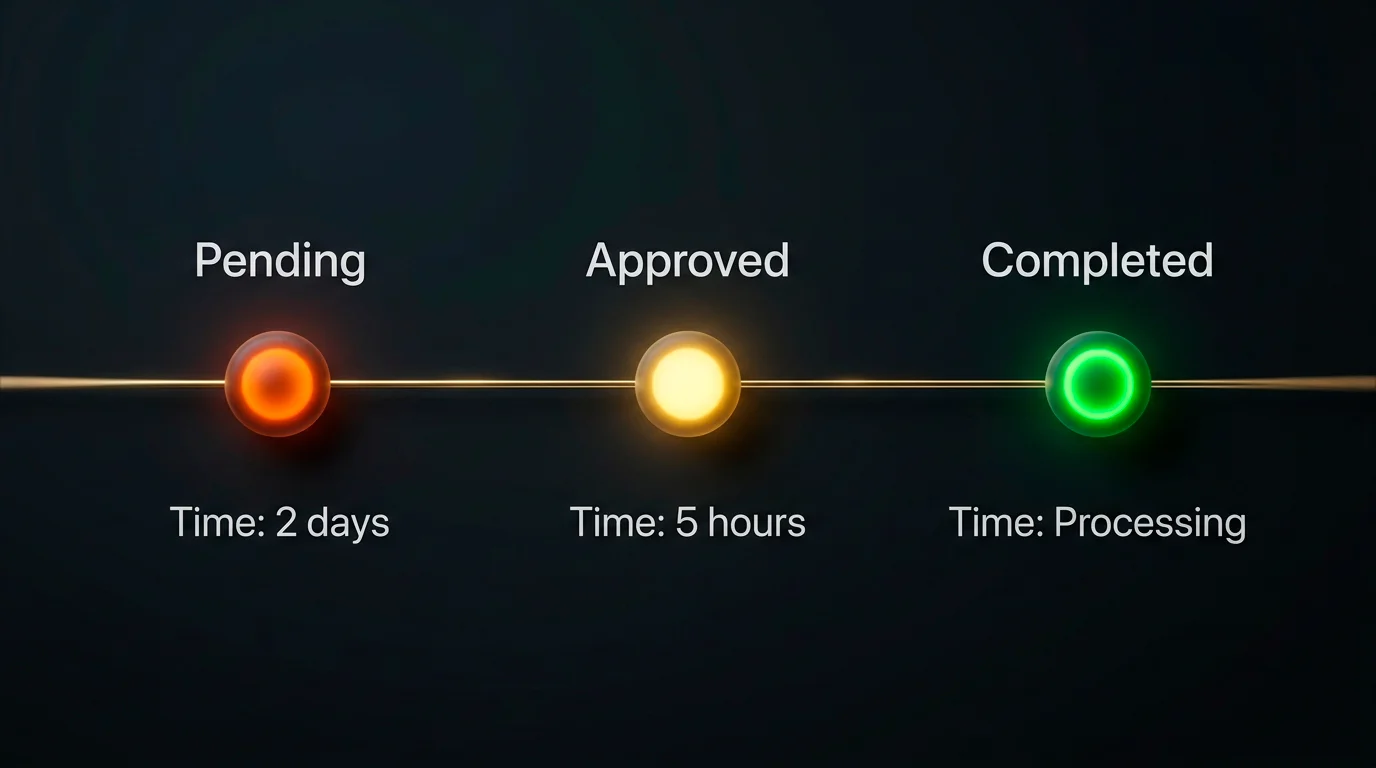
Processing times break down into two phases: the operator’s internal review period and the payment method’s settlement time. The internal review — sometimes called the “pending” or “processing” period — is the window during which Rollino’s finance and compliance teams verify the request. This phase typically lasts 24 to 72 hours for accounts that have already completed KYC verification. For first-time withdrawals or flagged accounts, it can extend longer.
After the operator releases the payment, the settlement time depends on the method. E-wallets add a few hours to a day. Bank transfers add three to five business days. Crypto adds the blockchain confirmation time, which varies by network. In total, a crypto withdrawal from a verified account can arrive in as little as a few hours, while a bank transfer might take a full week from request to receipt.
I keep a personal log of withdrawal timings across the platforms I audit. The fastest crypto payout I have recorded at a Curaçao-licensed casino was 47 minutes from request to wallet confirmation. The slowest bank transfer took nine business days. Both were at fully licensed, operational platforms. The variance is not a sign of dysfunction — it reflects the different layers each method passes through.
VIP players and high-volume depositors may have access to expedited processing or elevated limits. Some Curaçao-licensed platforms offer priority withdrawal queues for players who reach certain VIP tiers, effectively bypassing the standard 24-to-72-hour internal review. Whether Rollino extends this benefit depends on the player’s VIP status and account history. If fast cashouts are a priority for you, clarify the VIP withdrawal terms with support before depositing substantial sums.
A practical consideration that players often overlook: withdrawal fees. Rollino may or may not charge a fee depending on the method and the frequency of withdrawals. Some platforms allow a certain number of free withdrawals per week or month and then apply a flat fee or percentage on subsequent requests. Crypto withdrawals almost always carry a network fee — this is not charged by the casino but by the blockchain itself. On the Bitcoin network during congested periods, a single transaction fee can reach $10 to $30. Stablecoin networks like Tron charge a fraction of that, which is another reason stablecoins have gained popularity for gambling payouts.
KYC Verification Before Your First Withdrawal
Nobody enjoys uploading passport photos to a casino. I get it. But the KYC — know your customer — process is the regulatory gate between your winnings and your bank account, and fighting it only delays the payout.
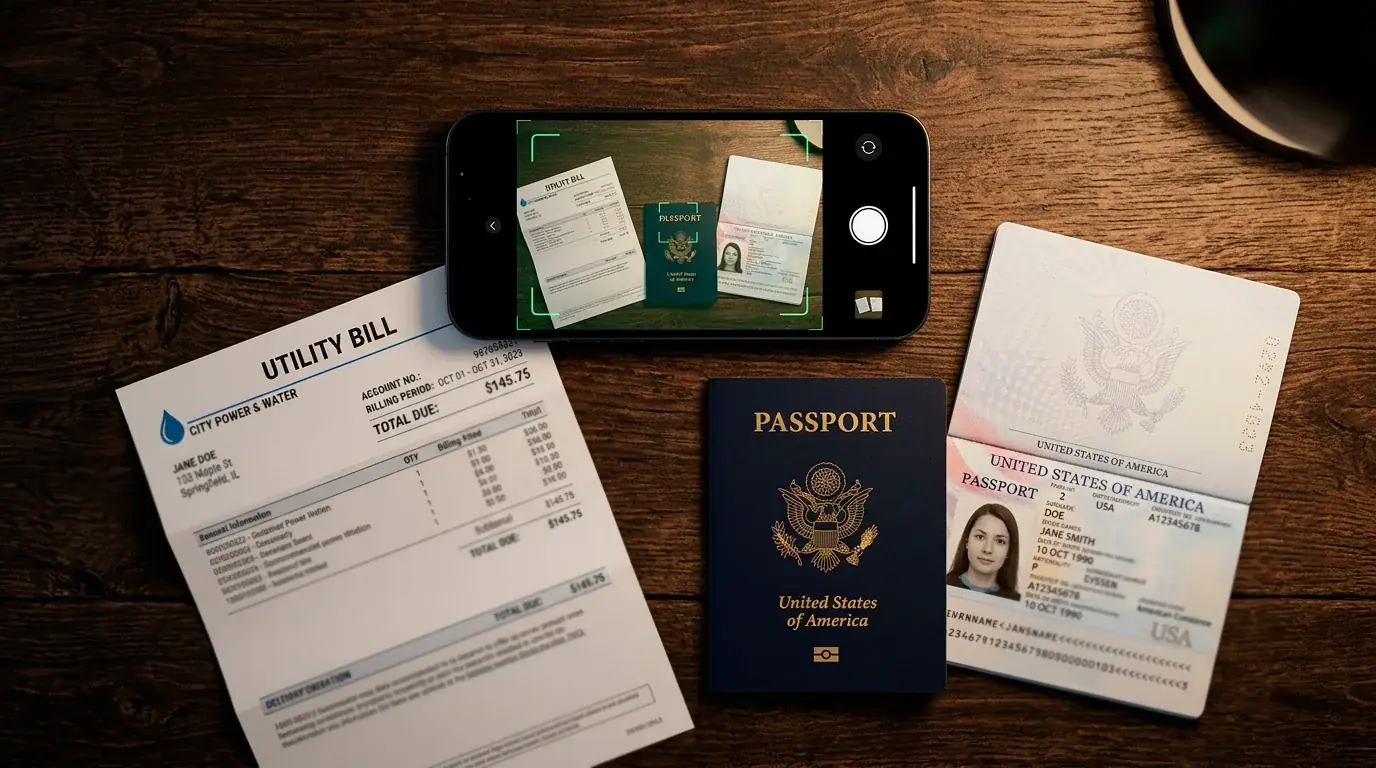
Rollino requires identity verification before processing a first withdrawal. The standard document set includes a government-issued photo ID (passport, national ID card, or driving licence), a proof of address dated within the last three months (utility bill, bank statement, or official correspondence), and in some cases a photo of the payment method used for deposits. The full verification walkthrough covers the step-by-step process in detail, but the key points for withdrawal purposes are timing and document quality.
Timing matters because the verification review adds days to your first withdrawal. If you submit documents the same day you request a payout, the withdrawal sits in pending status until the KYC team clears the documents. At Rollino, the verification review typically takes 24 to 72 hours, though it can stretch to five business days during high-volume periods. The smart move is to complete verification immediately after registration, well before you have anything to withdraw. This front-loads the delay and ensures your first withdrawal request enters the processing queue without a documentation bottleneck.
Document quality is the other friction point. Blurry photos, cropped corners, expired IDs, and address documents older than three months are the most common reasons for rejection. The KYC team is looking for legibility and consistency — the name on the ID must match the name on the account, and the address on the proof-of-address must match the registration details. Any mismatch triggers a manual review or a request for additional documentation, which resets the clock. Mike Peplow, COO of payment processor Paysecure, has noted that 2026 is bringing wider regulatory demands globally and a greater need for technology that meets compliance standards while improving the customer experience. That pressure is trickling down to operators like Rollino, which have tightened their KYC pipelines to stay ahead of regulatory scrutiny.
One final note: about 80 % of online gamblers now use smartphones as their primary device. If you are completing KYC on a phone, use the device’s camera in a well-lit environment and ensure the entire document is visible within the frame. Uploading a screenshot of a scanned document often reduces image quality below the threshold the verification system requires.
Common Withdrawal Problems and Solutions
After years of fielding reader questions, I can predict the top five withdrawal complaints before they finish typing. The problems are remarkably consistent across Curaçao-licensed platforms, and the solutions are usually more mundane than players expect.
Problem one: the withdrawal is stuck in “pending” status for days. This almost always traces back to incomplete KYC verification, an active bonus with uncleared wagering requirements, or a withdrawal amount that triggered an internal compliance review. The fix is to check your account’s verification status first, confirm there are no active bonuses with pending wagering, and then contact support with the withdrawal reference number. If the pending period exceeds the timeframe stated in the terms, escalate through the operator’s formal complaint process rather than sending repeated chat messages.
Problem two: the withdrawal was cancelled without explanation. Operators can reverse a pending withdrawal for several reasons — a terms violation, a failed verification check, or a suspected duplicate account. Rollino’s terms specify the conditions under which a withdrawal can be reversed, and in most cases the operator is required to provide a reason upon request. If the reversal was triggered by a bonus-related violation (such as exceeding the maximum bet during wagering), the bonus terms will usually state whether the entire balance is forfeited or only the bonus portion.
Problem three: the withdrawal arrived but the amount is less than expected. Currency conversion is the usual culprit. If you deposit in cryptocurrency and withdraw in fiat, or vice versa, the exchange rate at the time of withdrawal determines the final amount. Rollino uses market rates provided by its payment processors, and these rates include a spread — a small margin that covers the processor’s conversion cost. The spread varies by method and by the direction of the conversion.
Problem four: the chosen withdrawal method is unavailable. Some platforms require you to withdraw using the same method you used to deposit, at least up to the deposited amount. This “closed loop” policy is an anti-money-laundering measure. If you deposited EUR 500 via an e-wallet, the first EUR 500 of withdrawals may need to go back to that same e-wallet. Any amount above the original deposit can typically be withdrawn via an alternative method.
Problem five: the account is locked after a withdrawal request. This is rare but not unheard of, and it usually signals a compliance hold. The operator has flagged something — irregular betting patterns, a document discrepancy, or a third-party report — and has frozen the account pending investigation. In this scenario, patience and documentation are your only tools. Gather screenshots of your deposit history, betting activity, and any communication with support, and respond promptly to any requests for additional information.
Beyond these five, there is a subtler issue that catches players who use multiple currencies: conversion timing. If you deposit in BTC when the price is high and withdraw in EUR when the price has dropped, the fiat value of your withdrawal may be lower than expected even if you have not lost a single bet. Rollino converts at the market rate at the time of the transaction, not at the time of deposit. For players who want to avoid this currency exposure, depositing and withdrawing in the same stablecoin eliminates the exchange-rate variable entirely.
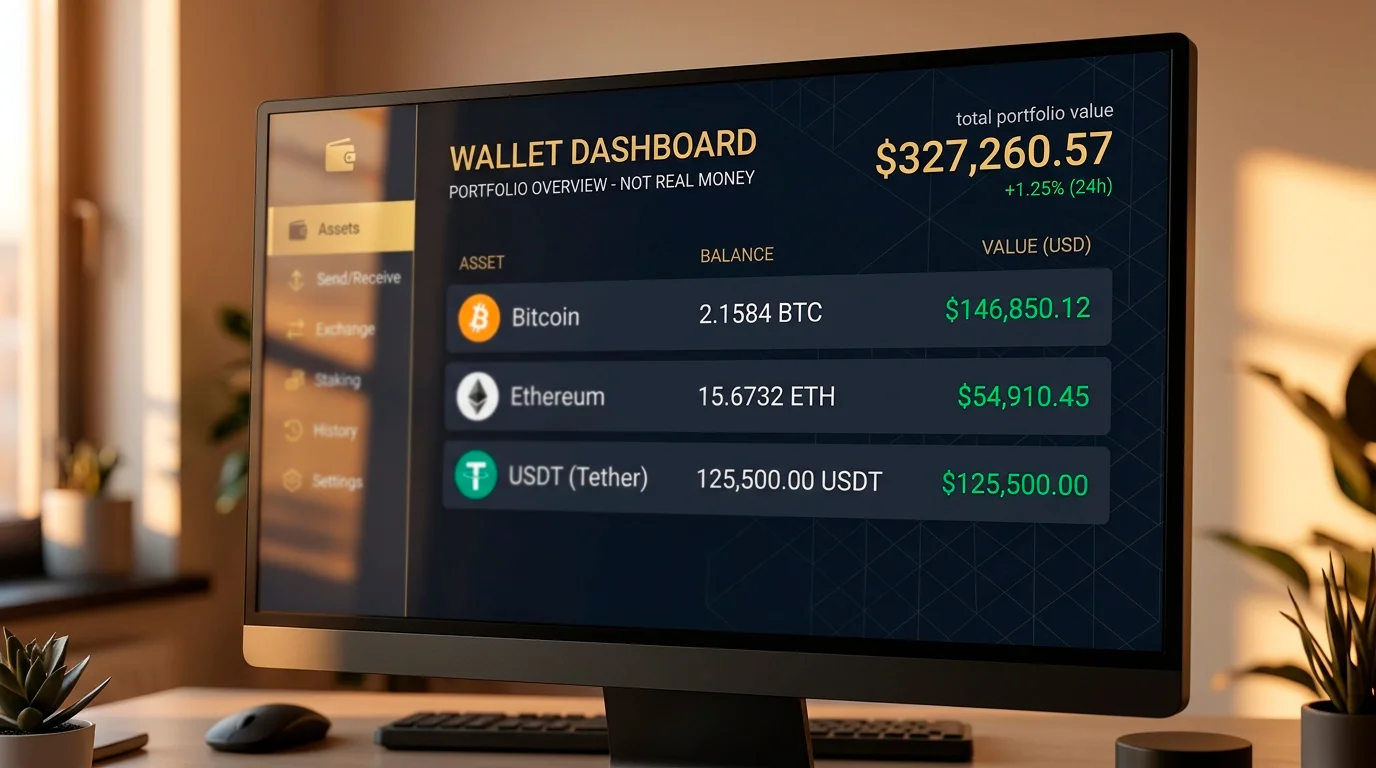
One more thing worth mentioning: cooling-off periods. Some operators, Rollino included, impose a reverse or cancellation window on pending withdrawals. During this period — typically a few hours after submission — you can cancel the withdrawal and return the funds to your playable balance. This feature exists partly for player convenience and partly because it generates revenue for the operator: a percentage of players cancel withdrawals and continue playing, eventually losing the funds. If you have requested a withdrawal and do not intend to reverse it, resist the temptation to cancel during the cooling-off period. Treat a submitted withdrawal as money that has already left the building.

FAQ: Rollino Casino Withdrawal
How long does a withdrawal take at Rollino Casino?
The total time depends on the method chosen and the account’s verification status. Crypto withdrawals from a verified account can complete in a few hours. E-wallet payouts typically take 24 to 48 hours after approval. Bank transfers range from three to seven business days. Add 24 to 72 hours for the operator’s internal review period if the account has not been pre-verified.
What withdrawal limits apply at Rollino per day and per month?
Rollino sets a daily withdrawal ceiling of EUR 100,000, which is relatively high by Curaçao-casino standards. Monthly limits also apply and are published in the platform’s terms and conditions. Both figures should be confirmed before depositing large amounts, as they determine how quickly winnings can be cashed out.
Why was my Rollino withdrawal rejected?
Common rejection reasons include incomplete KYC verification, an active bonus with uncleared wagering requirements, exceeding the maximum bet cap during a bonus phase, or a mismatch between the deposit method and the requested withdrawal method. Check your account status and bonus terms first, then contact support with the withdrawal reference number for a specific explanation.
Can you withdraw directly in Bitcoin at Rollino Casino?
Yes. Rollino supports direct Bitcoin withdrawals to a player-provided BTC wallet address. The transaction is broadcast to the blockchain after the operator’s internal approval, and confirmation time depends on network congestion — typically 10 to 60 minutes under normal conditions. Minimum withdrawal amounts apply and may vary based on current network fees.
Published by the Rollino Casino team.