Rollino Casino Germany: Availability and Legal Landscape 2026
 Available in GB

Rollino Casino in Germany: Access and Legal Classification
I once spent an entire afternoon helping a colleague in Hamburg figure out whether a specific offshore casino would actually process withdrawals to a German bank account. That conversation taught me more about the gap between “technically accessible” and “legally clear” than any regulatory white paper ever has. Rollino Casino sits right in that gap for German players, and understanding where it stands requires separating three distinct questions: can you access it, should you access it, and what happens to your money if you do.
Rollino operates under a Curaçao licence — specifically, the reformed LOK framework that went into full effect on 24 December 2024. It does not hold a German licence issued under the Glücksspielstaatsvertrag (GlüStV), which is the interstate treaty governing legal online gambling within Germany. That distinction is not cosmetic. It determines which consumer protections apply, which dispute resolution mechanisms exist, and whether German financial regulators will cooperate if something goes wrong.
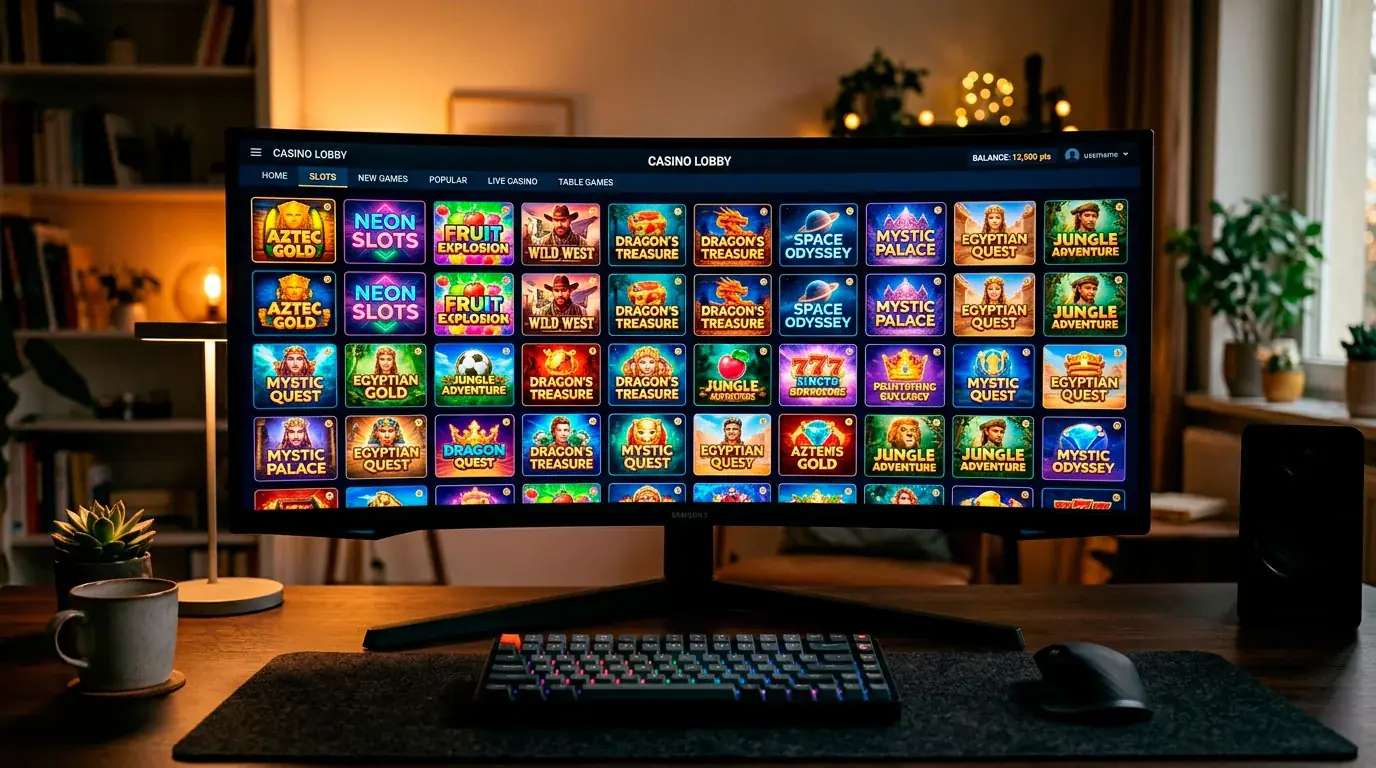
The platform itself does not geo-block German IP addresses. Players from Germany can register, deposit and play. But accessibility and legality are different conversations entirely, and conflating them is one of the most common mistakes I see in casino coverage aimed at the German market.

GlüStV and the German Regulatory Framework
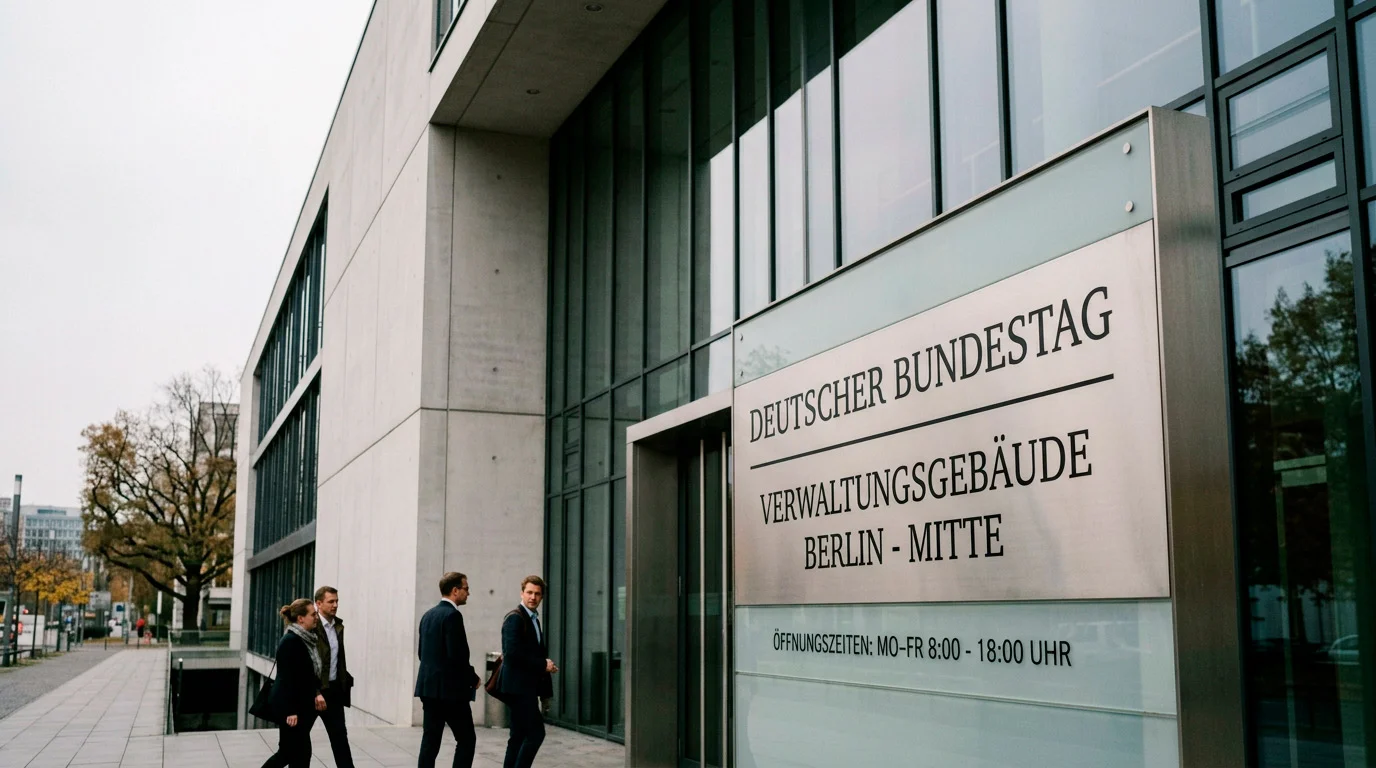
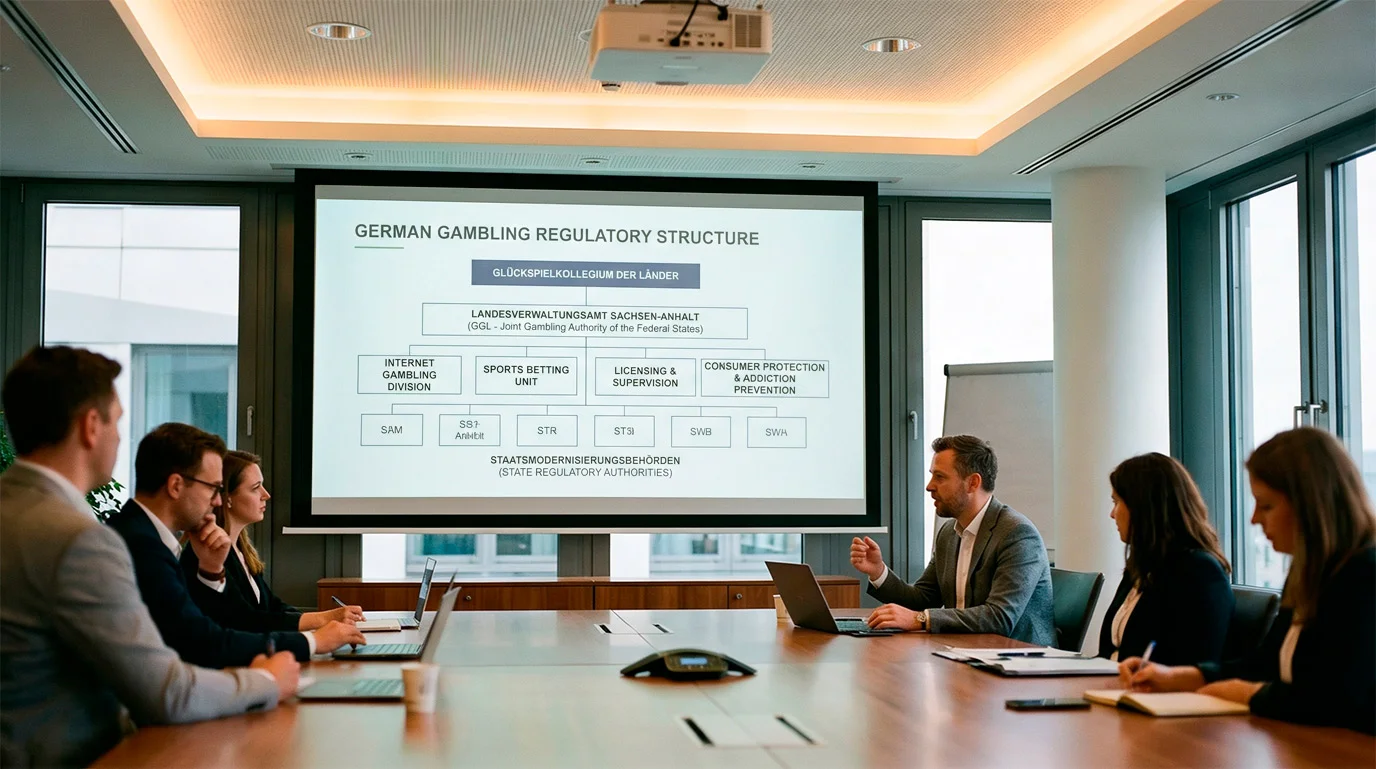
Germany’s approach to online gambling regulation could fill a textbook — and not a short one. The Glücksspielstaatsvertrag, last overhauled in 2021, created a federal licensing system administered by the Gemeinsame Glücksspielbehörde der Länder (GGL) in Halle. Under this framework, operators can apply for German licences to offer online slots, poker and sports betting. Virtual table games like blackjack and roulette remain in a legal grey zone, with full licensing for those verticals still pending in practice.
What the GlüStV introduced is a set of player protection rules that are among the strictest in Europe. Online slot stakes are capped at five pounds per spin for players aged 25 and over, and two pounds per spin for 18-to-24-year-olds — a measure the UK adopted in 2025 and Germany mirrored in principle, though the exact enforcement mechanisms differ. There is a mandatory deposit limit of 1,000 euros per month across all licensed platforms, enforced through a central monitoring system called LUGAS. Auto-play is prohibited. Bonus offers are restricted. And every licensed operator must connect to OASIS, the national self-exclusion database.
These rules exist for a reason. Andrew Rhodes, head of the UK Gambling Commission, put it bluntly: compliance is not optional. The same philosophy drives the GGL’s enforcement stance. German regulators have issued payment blocking orders against unlicensed operators and have pursued ISP-level blocks in several Bundesländer, though enforcement remains inconsistent. Some offshore platforms are blocked in certain German states; others remain accessible. Rollino, as of this writing, falls into the accessible category — but that status can change without warning.
The practical implication for German players: using a GlüStV-licensed platform means you operate within a defined legal framework with functional complaint mechanisms and regulatory oversight. Using an offshore platform means you operate outside that framework, with all the flexibility and all the risk that entails.
Curaçao Licence from a German Perspective
Every time I mention Curaçao licensing in a German context, the same question comes up: does it count for anything? The honest answer is that it depends on what you mean by “count.” A Curaçao licence is a legitimate regulatory instrument issued by a sovereign jurisdiction. The 2024 LOK reform strengthened it considerably — abolishing the old master/sub-licence system, requiring direct oversight of each operator, and introducing stricter anti-money-laundering standards. It is a real licence with real obligations.
What it is not, from a German legal standpoint, is a substitute for a GGL-issued licence. German gambling law does not recognise offshore licences as authorisation to operate within its borders. A Curaçao-licensed casino accepting German players is not breaking Curaçao law, but it is operating in a space that German regulators consider unlicensed. The player, meanwhile, occupies a peculiar position: German law has historically not penalised individual players for using offshore platforms, focusing enforcement instead on operators and payment processors. But “not currently prosecuted” is not the same as “legal,” and anyone who tells you otherwise is simplifying a complex situation.
The reform trajectory matters here. Curaçao’s regulatory overhaul signals a jurisdiction moving toward higher standards. The orange transition seals that marked the interim period expired permanently on 15 October 2025, and only operators who secured the new green seal retained their operating rights. That consolidation reduced the number of active Curaçao licensees and, in theory, improved the average quality of oversight. But the gap between Curaçao’s framework and Germany’s remains substantial — particularly around deposit limits, self-exclusion interoperability and real-time transaction monitoring.
For German players weighing their options, the question is not whether the Curaçao licence is legitimate in its own jurisdiction — it is. The question is whether the protections it provides match the protections they would receive under a German licence. On deposit limits, self-exclusion and dispute resolution, they do not.

Payment Methods for German Players at Rollino
Here is where theory meets your bank statement. I tracked the payment options available to German-registered accounts at Rollino and found a mix that reflects both the platform’s offshore positioning and the practical realities of cross-border transactions in 2026.
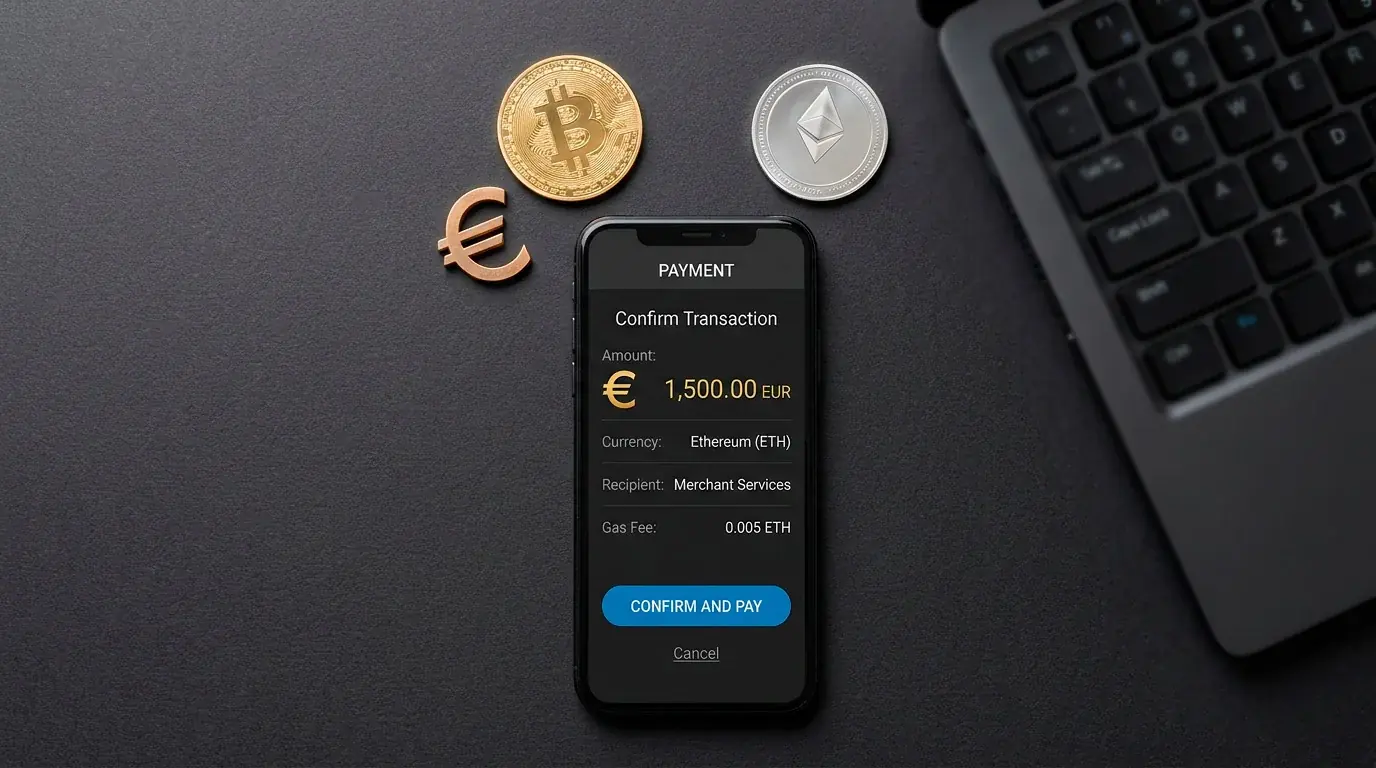
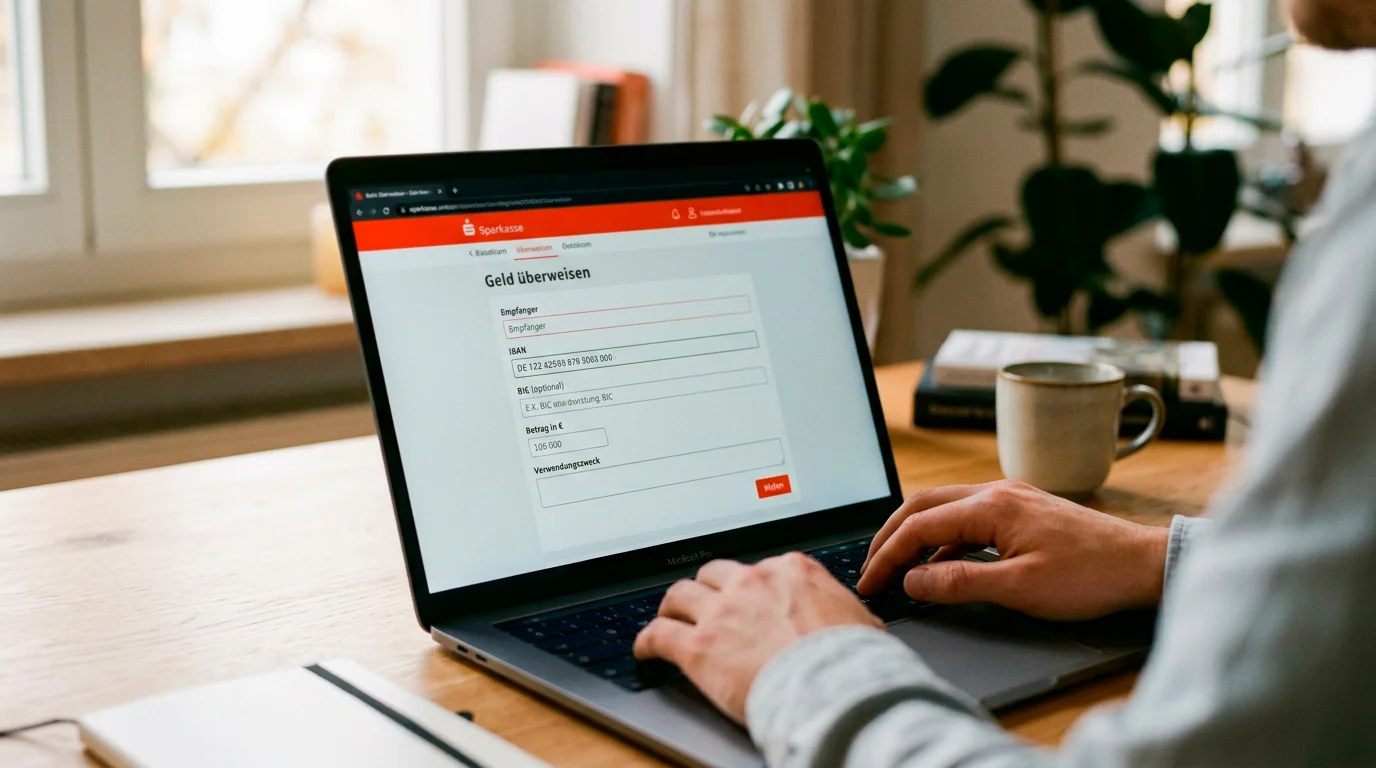
Credit and debit cards — Visa and Mastercard — are listed and generally functional for deposits. However, German banks have increasingly implemented transaction blocks on payments to known gambling merchants, particularly those without a GGL licence. Whether your specific card issuer allows the transaction depends on the bank, not on Rollino. Commerzbank and Deutsche Bank have been among the more restrictive; some online-only banks like N26 tend to be less aggressive with blocks, though policies shift without public notice.
E-wallets offer a more reliable route. Skrill and Neteller process transactions to Curaçao-licensed platforms without the intermediary friction that card issuers introduce. Both are widely used in Germany and both handle euro-denominated transfers natively. MiFinity is another option that appears in Rollino’s payment menu, though it has lower brand recognition among German users.
Cryptocurrency bypasses the banking layer entirely. Bitcoin, Ethereum, Litecoin and USDT are all accepted, and crypto deposits are not subject to the same issuer-level blocks that affect card payments. For players who already hold crypto, this is the path of least resistance. For those who do not, the overhead of acquiring cryptocurrency solely to fund a casino account is a friction point most casual players will not bother with.
Withdrawals follow a similar pattern, with one additional consideration: German tax law. Gambling winnings from licensed EU operators are tax-exempt in Germany under current rules. Winnings from offshore operators occupy a murkier space. The prevailing interpretation is that they are also exempt, but the lack of a definitive ruling from the Bundesfinanzhof means individual tax advisors may disagree. If the amounts are significant, getting professional advice is not paranoia — it is basic financial hygiene.

Is Rollino Casino accessible to players in Germany?
Rollino does not block German IP addresses, so the platform is technically accessible. However, it does not hold a German GGL licence, which means it operates outside the regulatory framework established by the Glücksspielstaatsvertrag. Access and legality are separate considerations under German gambling law.
What risks come with using a Curaçao-licensed casino from Germany?
The main risks are the absence of GGL-mandated protections: no connection to the OASIS self-exclusion system, no LUGAS deposit monitoring, and no access to German regulatory complaint mechanisms. Payment processing can also be unpredictable, as German banks may block transactions to unlicensed gambling operators without prior notice.
Published by the Rollino Casino team.