
Rollino Casino Deposits: All Methods, Limits, and Processing Details
 Available in GB
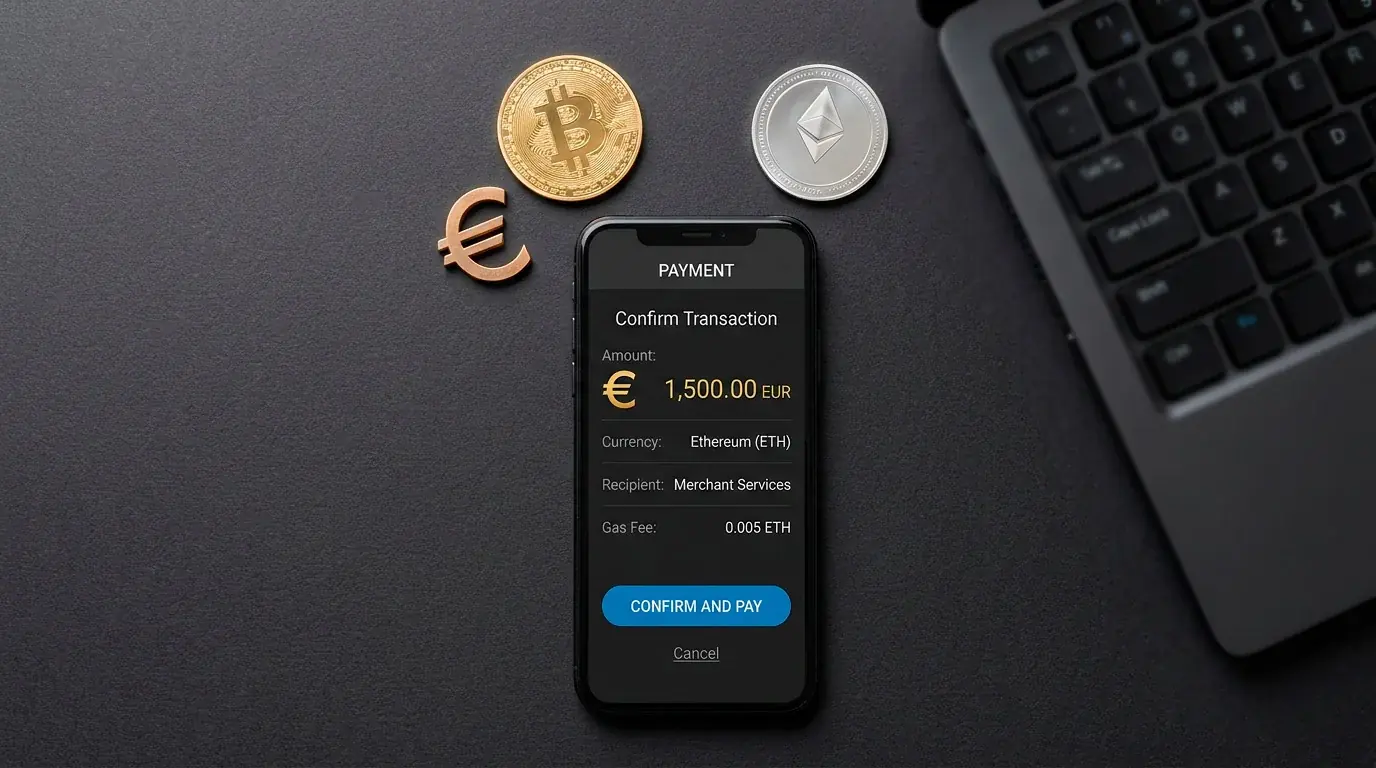
Rollino Casino Deposits: Every Available Method
The fastest way to judge an online casino’s operational maturity is to try depositing through three different methods and see which ones work without friction. I have been doing exactly this across platforms for years, and Rollino’s deposit infrastructure falls squarely in the mid-range — broad enough to cover most players, smooth enough to avoid frustration, but not without its quirks depending on which method you choose.
Rollino accepts both traditional fiat payments and cryptocurrency deposits, positioning itself as a hybrid platform in a market where roughly 80% of players access gambling sites via smartphones and expect mobile-friendly payment flows. The dual approach is a strategic choice: it captures the crypto-native audience while keeping the door open for players who prefer cards or e-wallets. What follows is a method-by-method breakdown based on actual deposit tests, not the marketing summary on the payments page.

Fiat Payment Methods: Cards, E-Wallets, and Bank Transfers
My first deposit at Rollino was with a standard Visa card, and it processed in under ten seconds. That is not remarkable — card deposits at most online casinos are near-instantaneous — but the absence of friction is itself noteworthy. Some Curaçao-licensed operators have card processing issues because major payment networks periodically tighten restrictions on gambling transactions, leading to declined deposits that have nothing to do with the player’s bank balance and everything to do with the operator’s merchant category coding.
Mastercard deposits follow the same pattern: quick processing, immediate balance credit. The key consideration with card deposits is not the deposit itself but the withdrawal — many platforms that accept card deposits cannot process withdrawals back to the same card, forcing players to use an alternative method for cashouts. This asymmetry creates inconvenience and should be factored into the deposit decision from the start.
E-wallets available at Rollino include options from established providers in the online gambling space. E-wallet deposits process instantly and have the advantage of keeping gambling transactions separated from the player’s primary bank statements — a privacy consideration that matters to many players. The e-wallet also serves as a withdrawal method, eliminating the card-deposit-but-no-card-withdrawal problem.
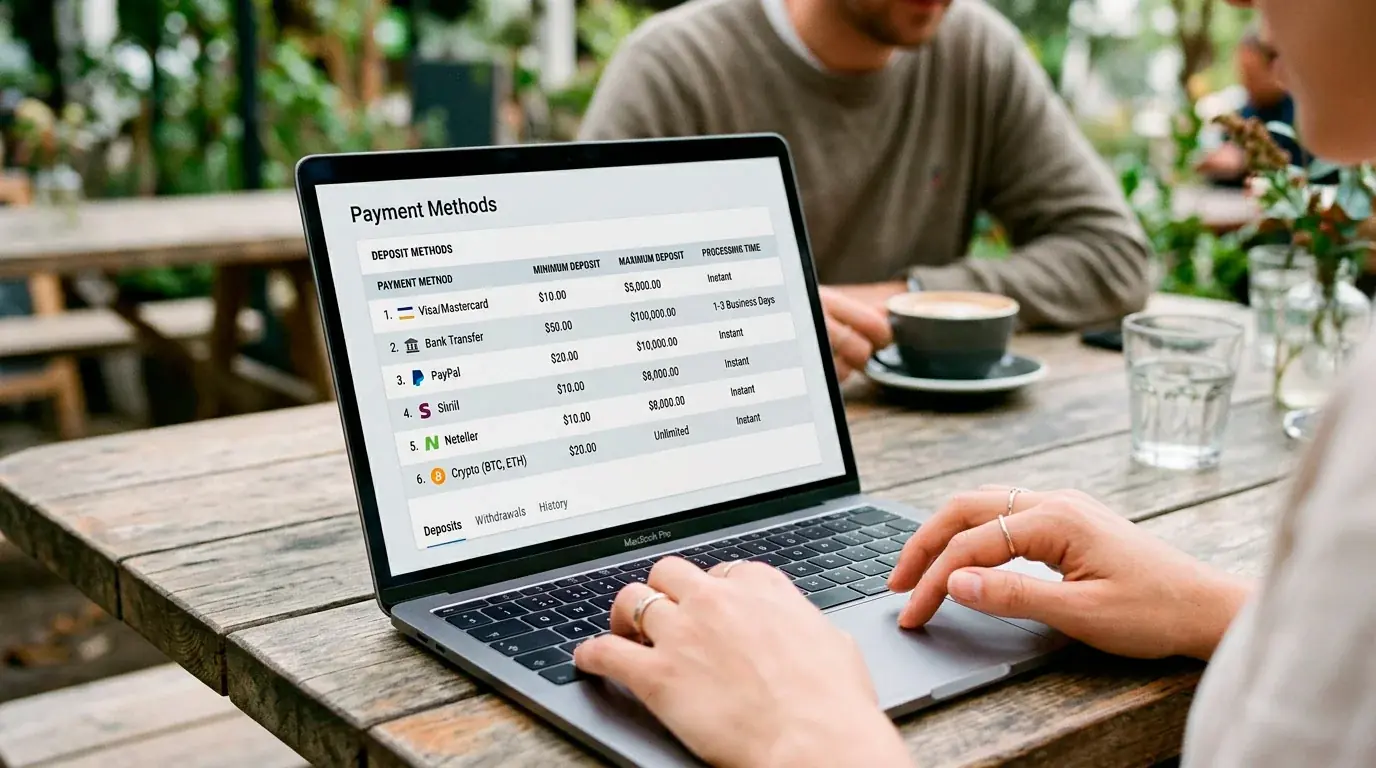
Bank transfers are available but represent the slowest deposit method. Processing can take one to three business days depending on the sending bank, the receiving bank, and any intermediary institutions involved. For players who prioritise speed, bank transfers make little sense when instant alternatives are available. For players who prefer not to share card details or create e-wallet accounts, they remain a viable if plodding option.
Prepaid card solutions and voucher systems round out the fiat options. These methods appeal to players who want to control their spending by depositing a fixed amount purchased in advance, creating a natural spending cap that functions as a de facto deposit limit. The trade-off is that voucher methods typically cannot be used for withdrawals, requiring a second payment method for cashouts.

Crypto Deposits: Coins, Minimums, and Process
The crypto gambling market has exceeded $65 billion and continues to grow at a 12-15% annual rate. Rollino taps into this segment with support for Bitcoin, Ethereum, Litecoin, Tether, and several additional cryptocurrencies — the full crypto payment details are covered in a dedicated breakdown, but the deposit process itself deserves examination here.
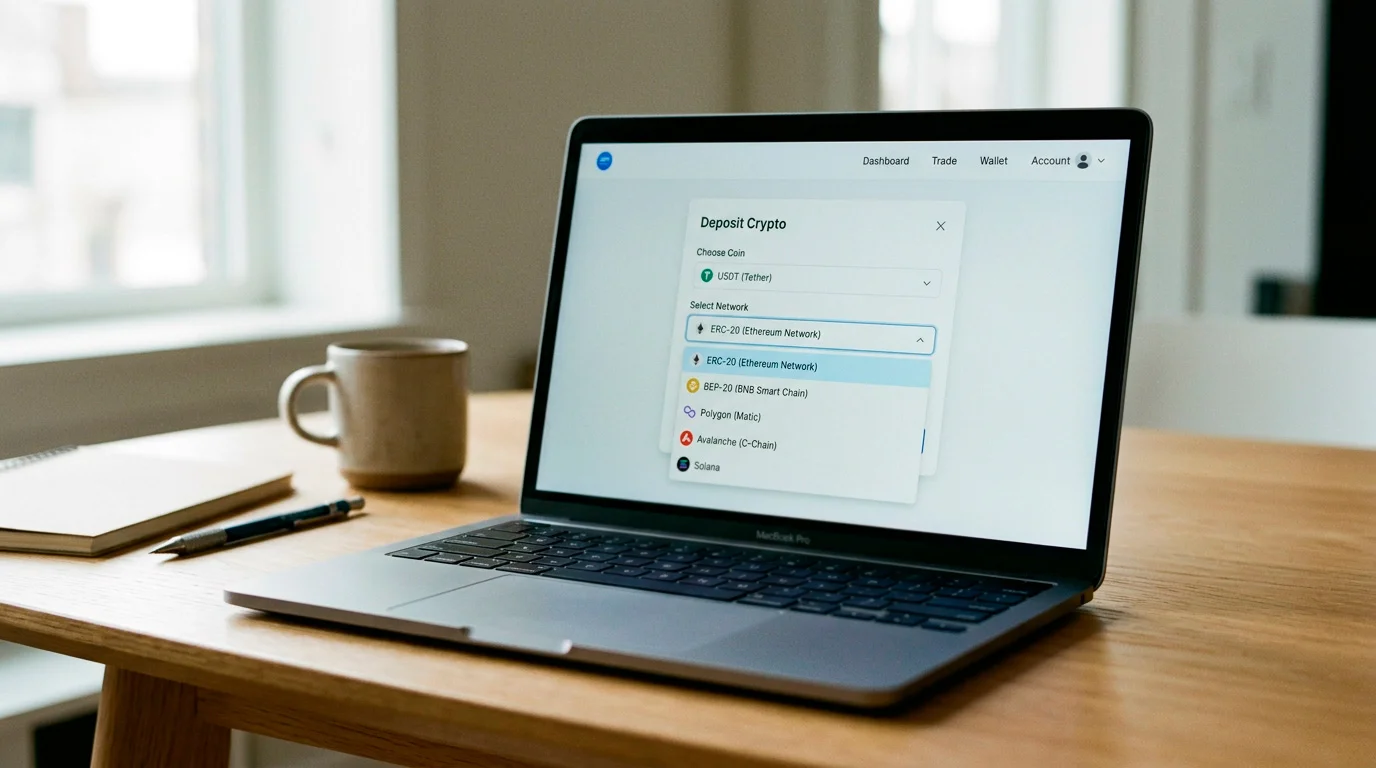
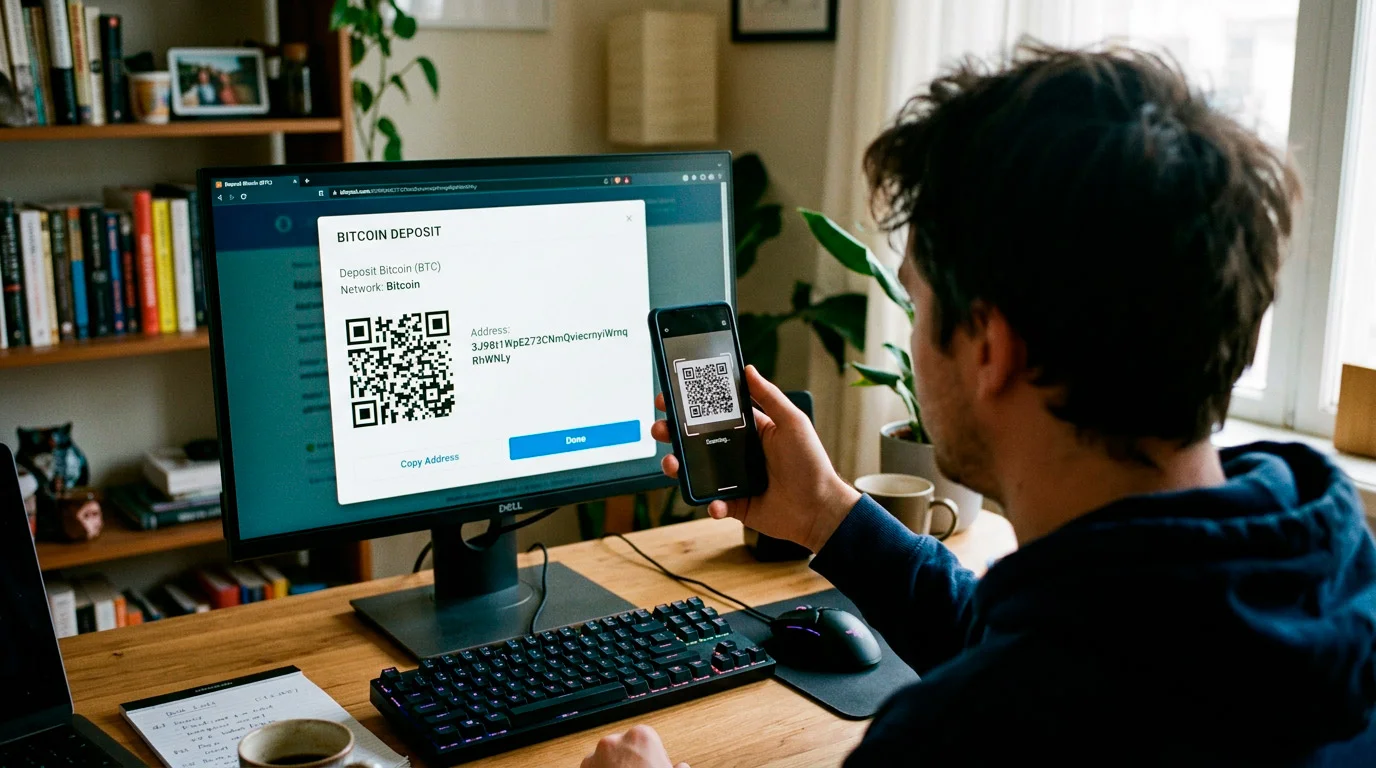
Depositing via crypto at Rollino follows the standard flow: select the cryptocurrency, receive a deposit address (or scan a QR code on mobile), send funds from your wallet, and wait for network confirmation. Bitcoin deposits typically require one to three confirmations depending on the amount, which translates to 10-30 minutes under normal network conditions. Ethereum deposits are faster, usually confirming within a few minutes. Stablecoin deposits on the Tron network process almost instantly and carry negligible fees — a practical advantage that makes USDT on TRC-20 one of the most efficient deposit methods available at the platform.
Minimum deposit amounts for crypto are generally lower than fiat minimums, though the practical floor is set by network transaction fees. Depositing a very small amount of Bitcoin may result in network fees consuming a meaningful percentage of the deposit, making micro-deposits economically irrational. For Ethereum, gas fees during high-congestion periods can spike to levels that make small deposits impractical. Stablecoins on low-fee networks avoid this problem almost entirely.
One procedural note: crypto deposits at Rollino are typically converted to a fiat-equivalent balance for gameplay. This means the player’s account displays balances in euros or another base currency, not in the deposited cryptocurrency. Players who want to maintain crypto-denominated balances throughout their session should be aware of this conversion, which introduces exchange rate exposure that pure crypto casinos avoid.
Deposit Limits and Fee Structure
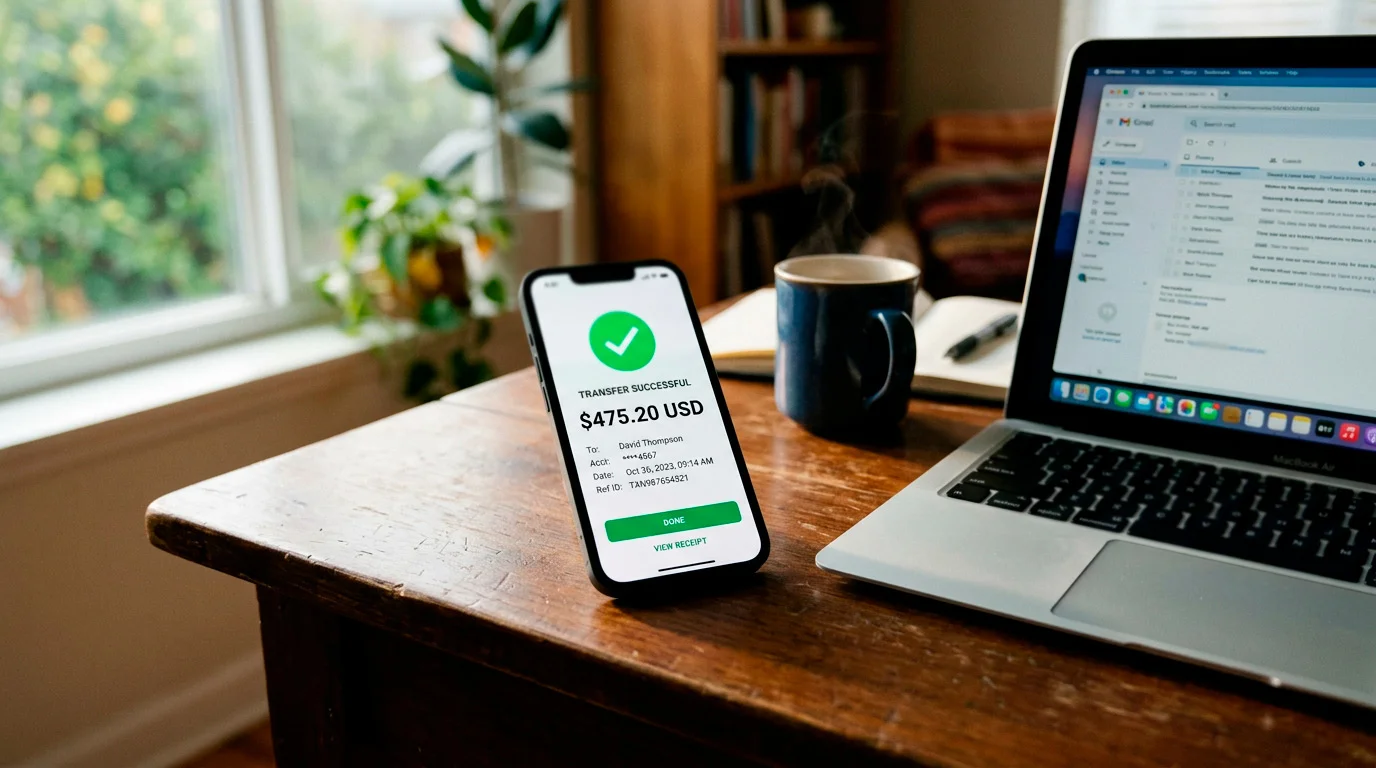
Every deposit method at Rollino carries minimum and maximum thresholds that define the usable range. Minimum deposits for card and e-wallet methods typically start at a low threshold — enough to accommodate casual players without imposing a barrier to entry. Maximum single-transaction limits are higher for cards and e-wallets than for some alternative methods, though the specific figures are subject to change and should be verified on the platform before depositing.
Rollino does not charge deposit fees on most methods, which is the industry norm — operators benefit from players depositing funds and have no incentive to create friction at the inflow stage. However, third-party fees may apply depending on the payment method. Card issuers may treat gambling deposits as cash advances, attracting higher interest rates and fees from the bank rather than the casino. E-wallet providers may charge transfer fees. Crypto networks charge transaction fees regardless of the operator’s policy. These third-party costs are not within Rollino’s control but affect the total cost of depositing nonetheless.
For players who plan to deposit regularly, the cumulative impact of payment method fees over time can be significant. Choosing a method with zero or minimal third-party fees — such as stablecoins on low-fee networks or e-wallets with no gambling surcharge — reduces the cost of transferring funds and leaves more of the deposited amount available for play. It is a small optimisation that compounds over months and is worth considering before establishing a habitual deposit method.
What is the minimum deposit at Rollino Casino?
Minimum deposit amounts at Rollino vary by payment method. Card and e-wallet deposits start at a low threshold accessible to casual players. Crypto deposits have lower nominal minimums but are effectively limited by network transaction fees, which can make very small deposits uneconomical — particularly for Bitcoin and Ethereum during high-fee periods.
Are there fees for deposits at Rollino Casino?
Rollino does not charge deposit fees on most payment methods. However, third-party fees may apply: card issuers may treat gambling deposits as cash advances with higher rates, e-wallet providers may charge transfer fees, and cryptocurrency networks charge transaction fees. These costs are imposed by the payment provider, not the casino, but affect the total cost of depositing.
Created by the ”Rollino Casino” editorial team.