Crypto Gambling 2026: Market Share, Trends and Rollino’s Position
 Available in GB

Crypto Gambling 2026: Market Overview and Rollino’s Place
Three years ago, when I first started covering crypto casinos seriously, the segment was a niche curiosity — a handful of Bitcoin-only platforms with limited game selections and questionable licensing. In 2026, cryptocurrency gambling is a $65 billion-plus market growing at a compound annual rate of 12 to 15 percent. That is not a niche. That is a structural shift in how people move money into and out of online casinos, and it is reshaping everything from payment processing to regulatory strategy.
Rollino sits at an interesting intersection of this shift. It is not a crypto-native platform — it was not built from the ground up around blockchain infrastructure the way pure crypto casinos are. But it accepts multiple cryptocurrencies alongside traditional payment methods, which positions it as a hybrid operator catering to players who want crypto convenience without abandoning the familiar casino format. Understanding where Rollino fits requires first understanding the market it is operating in, and the numbers tell a compelling story.

Market Volume and Growth Projections
I have watched market projections in this space evolve from speculative guesses to data-backed forecasts, and the trajectory has been remarkably consistent. Cryptocurrency now accounts for roughly 30% of all online wagers worldwide, up from 20% in 2022. That ten-percentage-point jump in three years represents billions of dollars in transaction volume shifting from traditional payment rails to blockchain-based alternatives.
The drivers are structural rather than speculative. Crypto transactions bypass the banking intermediaries that can block, delay or flag gambling-related payments. Processing times for deposits are measured in minutes rather than days. And for players in jurisdictions where traditional payment processors refuse to handle gambling transactions, crypto is not a preference — it is the only viable option. Mike Peplow, COO of Paysecure, captured the broader context when he noted that 2026 will bring wider regulatory demands globally, a further crackdown on non-compliant operators, and a greater need for technology that can meet those demands while improving customer experience. Cryptocurrency, when implemented properly, addresses the technology side of that equation.
The growth is not evenly distributed. Asia-Pacific and Latin America are the fastest-growing regions for crypto gambling adoption, driven by limited banking infrastructure and high smartphone penetration. Europe and North America are growing more slowly in percentage terms but from a much larger base, which means the absolute transaction volumes are still enormous. The crypto payment options at Rollino cater primarily to the European and UK player base, where crypto adoption among gamblers is mature enough to sustain consistent volume.


Bitcoin, Ethereum and Stablecoins: Shares of Crypto Gambling
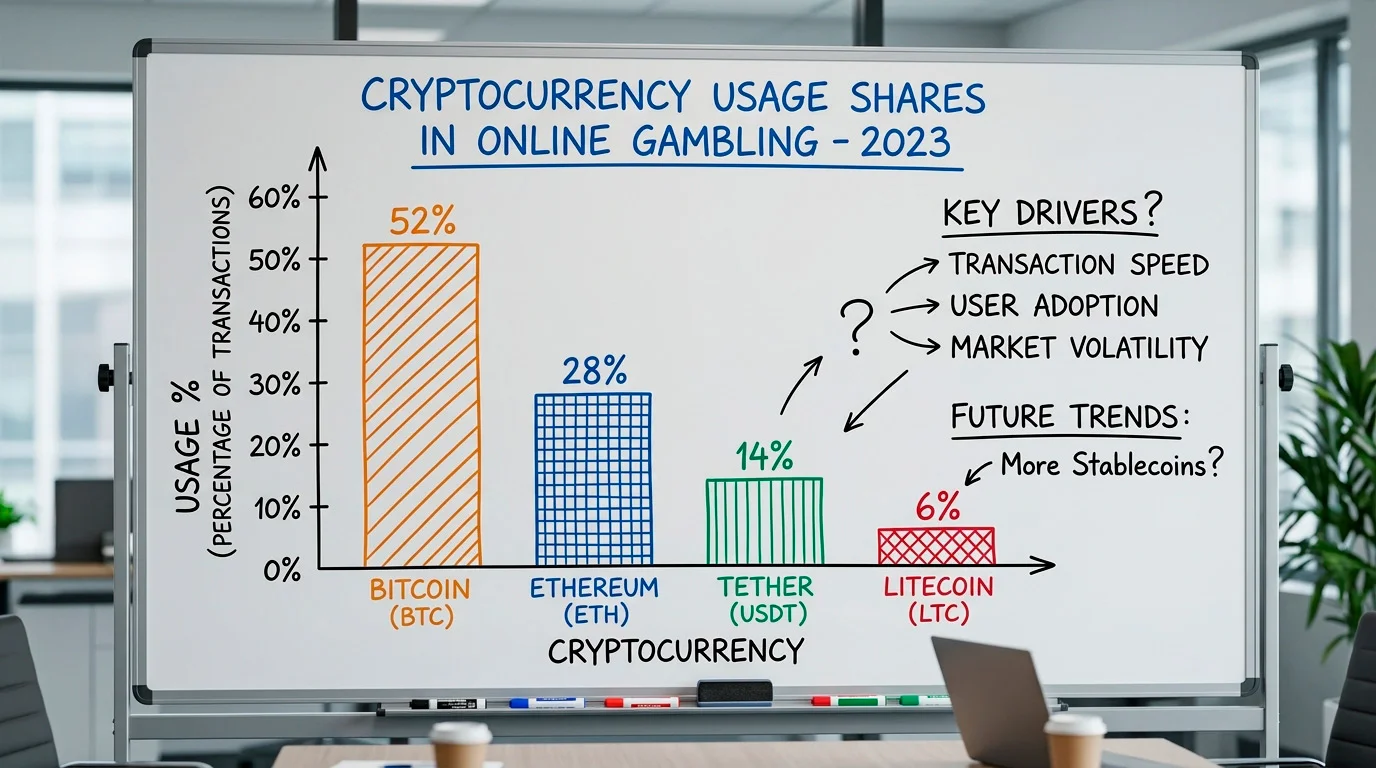
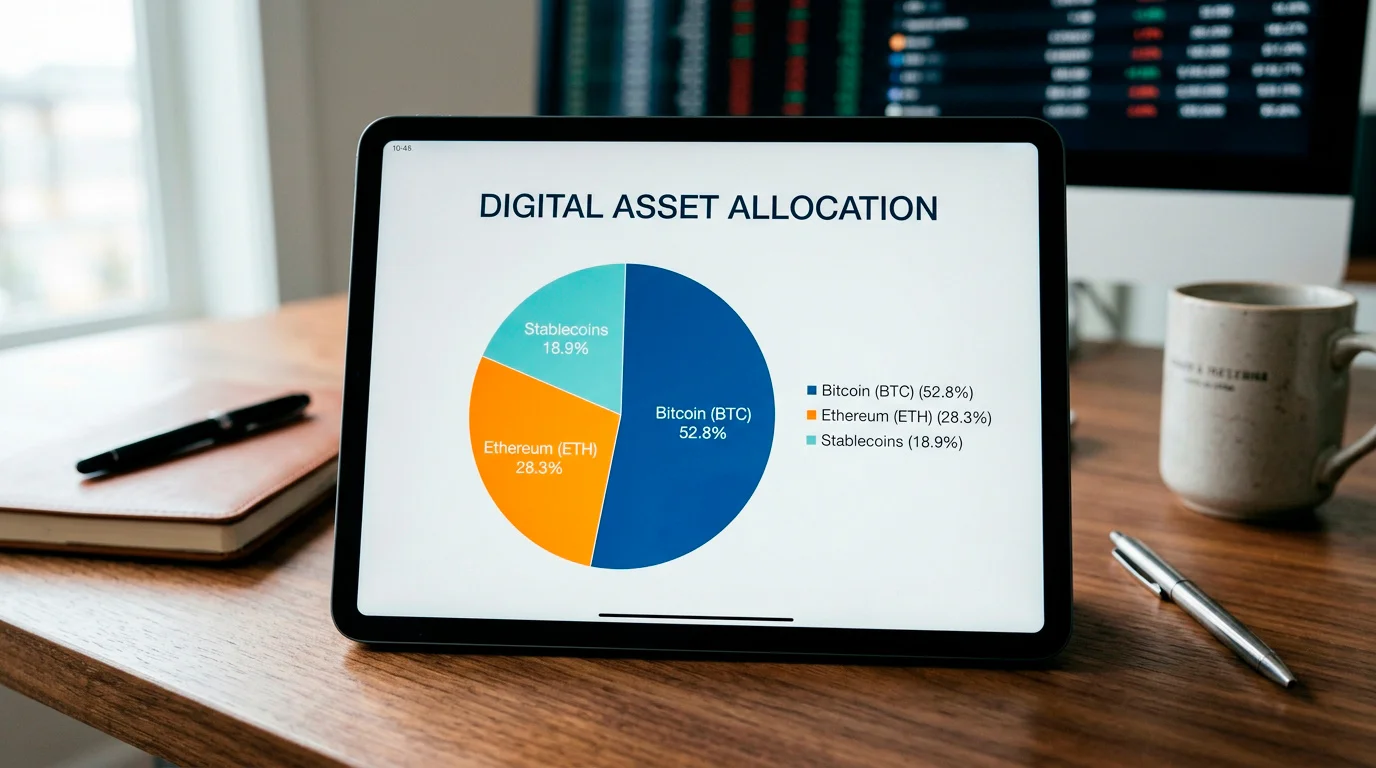
Not all cryptocurrencies are equal in the gambling context, and the distribution of usage tells you a lot about how the market is maturing. Bitcoin dominates with approximately 66% of all crypto gambling volume. That figure has actually declined from over 80% a few years ago — not because Bitcoin gambling is shrinking, but because alternatives are growing faster.
Ethereum holds roughly 9% of crypto gambling volume, with Litecoin at 6%. But the real story of 2026 is stablecoins. USDT (Tether) and USDC are projected to handle over 70% of all crypto-betting transactions by the end of 2026. That statistic deserves emphasis because it fundamentally changes what “crypto gambling” means in practice. When a player deposits USDT, they are not speculating on price movements — the value is pegged to the US dollar. They are using blockchain infrastructure for its speed and accessibility benefits without the volatility risk that makes Bitcoin deposits a secondary bet on top of the primary gambling activity.
This stablecoin shift matters for platforms like Rollino because it lowers the barrier to entry for crypto-curious players. Someone who has never held Bitcoin can acquire USDT through a simple exchange transaction and deposit it without worrying that their casino balance will lose 8% overnight because of a market correction. The practical effect is that stablecoins convert crypto gambling from an enthusiast activity into a mainstream payment method — one that happens to use blockchain rails instead of bank transfers.
Rollino accepts Bitcoin, Ethereum, Litecoin and USDT, which covers the four most relevant options for gambling. The absence of USDC is a minor gap — Tether dominates the stablecoin gambling segment by a wide margin — but adding it would round out the offering for players who prefer USDC’s regulatory positioning.
Rollino in the Crypto Casino Market: Strengths and Gaps
Rollino’s crypto implementation is functional but not exceptional. Deposits process within the standard confirmation window for each network — roughly ten to thirty minutes for Bitcoin, faster for Ethereum and near-instant for USDT on the Tron network. There are no additional fees from Rollino’s side for crypto transactions, though network gas fees apply as they would for any blockchain transfer.
The strengths are practical. Crypto deposits bypass the banking friction that affects players in markets where card issuers block gambling transactions. Withdrawal processing does not depend on banking hours or intermediary payment processors. And the KYC requirements, while still present under the reformed Curaçao framework, do not require linking a bank account — wallet verification is handled differently.
The gaps are equally clear. Rollino does not offer provably fair gaming, which is a verification system that allows players to independently confirm the fairness of each bet using cryptographic proofs. Pure crypto casinos have made provably fair a standard feature; hybrid platforms like Rollino rely on traditional RNG certification instead. Both approaches can produce fair outcomes, but provably fair gives the player direct verification power rather than requiring trust in a third-party auditor. For crypto-native players who value that transparency, its absence is noticeable.
There is also no crypto-specific bonus structure. Some competitors offer enhanced welcome packages for cryptocurrency deposits or exclusive promotions tied to specific coins. Rollino treats crypto deposits identically to fiat deposits in terms of bonus eligibility, which is neutral in one sense — no penalty for using crypto — but misses an opportunity to attract the crypto-first audience that is driving the segment’s growth.
How large is the global crypto gambling market in 2026?
The crypto gambling market is valued at over $65 billion in 2026, growing at a compound annual rate of 12 to 15 percent. Cryptocurrency now accounts for approximately 30% of all online wagers worldwide, up from 20% in 2022, with stablecoins projected to handle over 70% of crypto-betting transactions by year-end.
Which cryptocurrency is used most often in online casinos?
Bitcoin remains the most widely used cryptocurrency for gambling, accounting for roughly 66% of all crypto gambling volume. However, stablecoins like USDT are the fastest-growing payment method in the segment and are projected to surpass Bitcoin in transaction volume by late 2026, driven by their price stability and lower barrier to entry for new users.
Created by the ”Rollino Casino” editorial team.