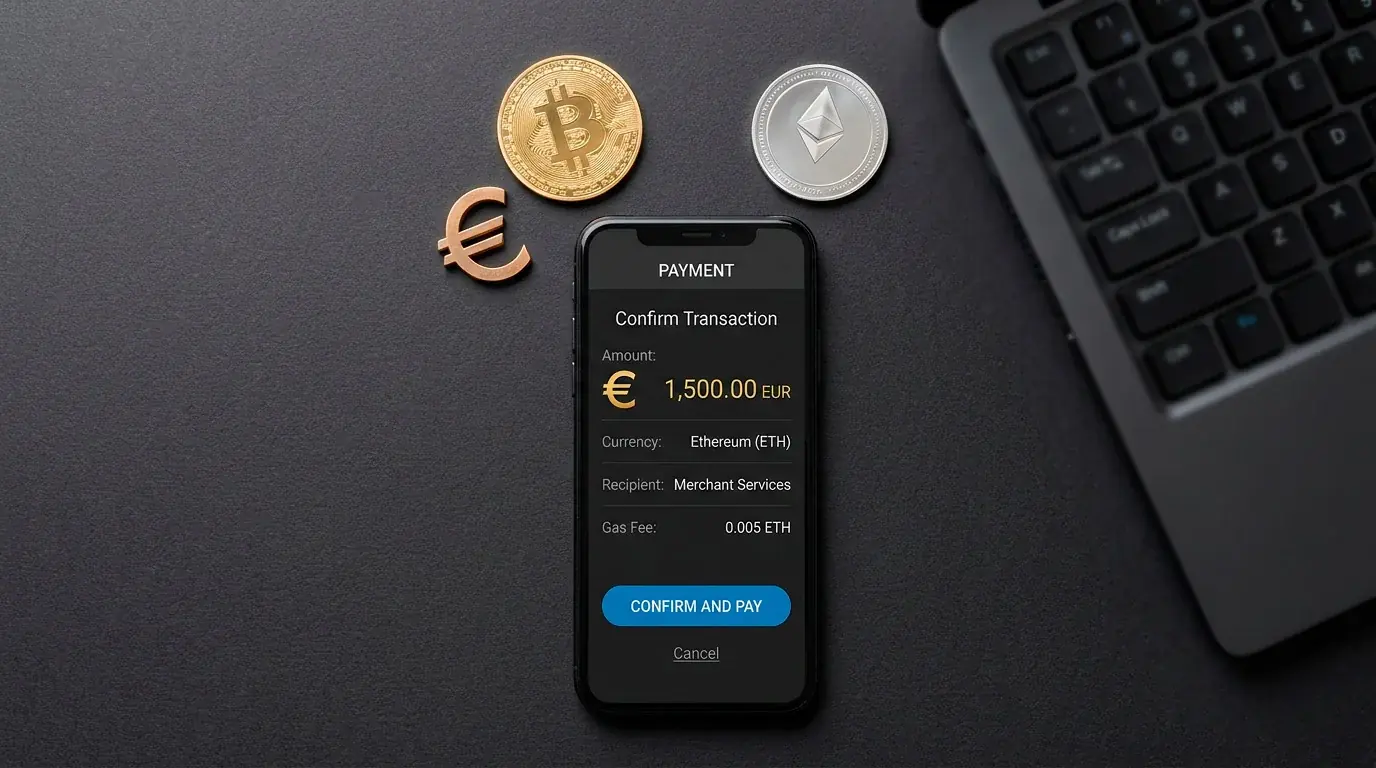
Rollino Crypto Casino: Bitcoin, Ethereum and Stablecoins in Practice
 Available in GB

Rollino as a Crypto Casino: All Coins and Features
The first time I deposited Bitcoin at an online casino — back in 2019 — the confirmation took 47 minutes and I spent the entire time convinced I had sent my funds into a void. Today the infrastructure has matured enormously, but the anxiety of sending irreversible cryptocurrency transactions to a gambling platform remains real for newcomers. The crypto-gambling market has surged past $65 billion in estimated value as of 2026, driven by players who want the speed and privacy that traditional banking cannot offer. Rollino positions itself squarely in this space, accepting multiple cryptocurrencies alongside fiat methods.
Understanding how crypto deposits and withdrawals work at Rollino — the specific coins, the fee structures, the security layers — matters more than knowing the platform accepts crypto in principle. The details determine whether the experience is smooth or expensive.
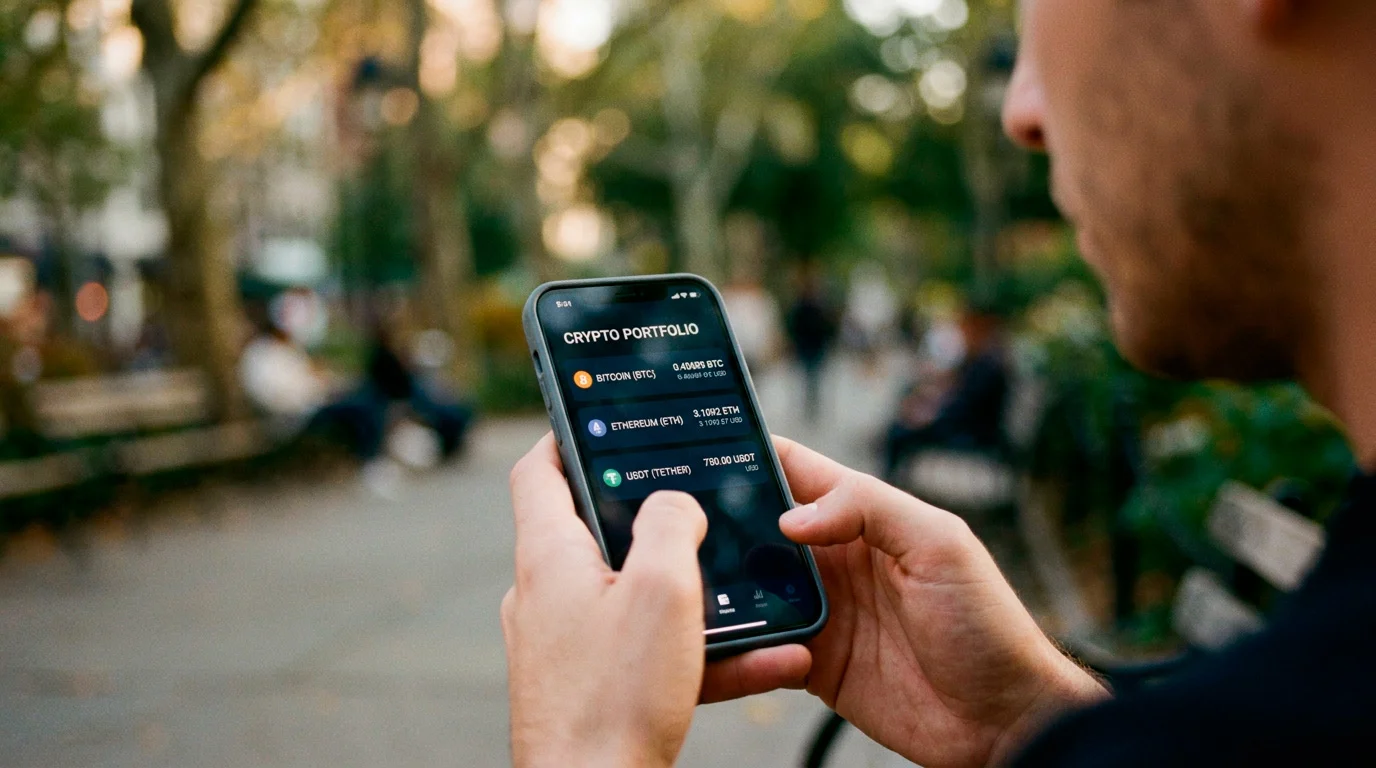
Supported Cryptocurrencies at Rollino
Rollino accepts the major cryptocurrencies that dominate the online gambling space: Bitcoin, Ethereum, Litecoin, and Tether (USDT). This selection covers the coins that account for the overwhelming majority of crypto-gambling volume. Bitcoin alone represents approximately 66% of all crypto wager volume, followed by Ethereum at around 9% and Litecoin at 6%. Stablecoins — particularly USDT — are the fastest-growing payment method in the sector.
Each coin serves a different player profile. Bitcoin is the default choice for players already holding BTC and comfortable with its price volatility and network fees. Ethereum offers faster confirmation times than Bitcoin but carries its own variable gas fees. Litecoin provides the cheapest and fastest transactions of the three volatile coins, making it a practical choice for smaller deposits where Bitcoin’s network fees would eat a disproportionate percentage. USDT eliminates price volatility entirely by pegging its value to the US dollar, which means the amount you deposit is the amount you play with — no exchange rate surprises between deposit and withdrawal.
What Rollino does not currently support is worth noting. Newer layer-2 solutions, Solana, Dogecoin, and various DeFi tokens are absent from the deposit page. The selection is conservative by crypto-casino standards — some competitors accept twenty or more coins — but it covers the functional bases. As COO Mike Peplow of Paysecure observed, the regulatory landscape is tightening globally, with wider demands for compliance and technology that meets those demands while improving customer experience. Rollino’s limited coin selection may reflect a cautious approach to compliance rather than a lack of technical capability.

Crypto Deposits: Process, Minimums, and Fees
The deposit process follows the standard crypto-casino flow, but I will walk through it because the details matter for first-time users.
After logging in, navigate to the cashier section and select your cryptocurrency. Rollino generates a unique wallet address — a long alphanumeric string — specific to your account and the selected coin. Copy this address exactly, open your personal wallet or exchange, and send the desired amount to that address. Any error in the address — even a single character — results in permanently lost funds. I always paste the address, then visually confirm the first and last four characters match before confirming the transaction.
Minimum deposit amounts vary by coin and reflect both network practicalities and Rollino’s internal thresholds. Bitcoin minimums typically sit around the equivalent of $20-30, while stablecoin minimums may be lower. The platform does not charge its own deposit fee, but network fees — the miner or validator fees inherent to each blockchain — apply and are deducted from your transaction by the network itself, not by Rollino. Bitcoin network fees in 2026 fluctuate between $1 and $15 depending on congestion, making BTC deposits sub-optimal for amounts under $100.
Confirmation times depend on the coin. Bitcoin requires multiple block confirmations — typically three to six — before the deposit credits to your account, which takes 20-60 minutes under normal network conditions. Ethereum confirmations arrive faster, usually within 5-15 minutes. Litecoin processes in 5-10 minutes. USDT timing depends on which blockchain network it is sent over — USDT on Tron (TRC-20) confirms in minutes, while USDT on Ethereum (ERC-20) is subject to the same gas fees and timing as ETH itself. Rollino specifies which network it accepts for each stablecoin, so verify the network before sending.


Stablecoins at Rollino: USDT and USDC in Practice
If I had to recommend one crypto deposit method to a player who has never used cryptocurrency for gambling, it would be USDT without hesitation. The reason is straightforward: volatility elimination. When you deposit 500 USDT, you have 500 units of value pegged to the dollar. When you withdraw 500 USDT, you still have 500 units of purchasing power. With Bitcoin, a 5% price swing between deposit and withdrawal can erase gains or amplify losses in ways completely unrelated to your gambling outcomes.
Stablecoins are projected to process over 70% of all crypto-gambling transactions by 2026, and the trend makes mathematical sense. The casino experience is already probabilistic — layering cryptocurrency price risk on top of house-edge variance adds complexity that serves no player interest.
Rollino supports USDT and, depending on current availability, USDC. Both function identically from the player’s perspective: deposit in dollar-pegged value, play in dollar-equivalent units, withdraw at the same peg. The practical difference between the two stablecoins lies in issuer trust and blockchain availability — USDT (issued by Tether) has broader adoption in the gambling space, while USDC (issued by Circle) carries a stronger reputation for regulatory compliance and reserve transparency. Both serve the same functional purpose at Rollino.

Blockchain Security and Transaction Verification
One genuine advantage of crypto deposits over traditional banking is the blockchain’s inherent transparency. Every transaction is recorded on a public, immutable ledger. If a deposit dispute arises — you claim you sent funds, the casino claims they did not arrive — the blockchain provides objective proof. I have seen this resolve disputes that would have dragged on for weeks with traditional payment methods.
Rollino does not publish its wallet addresses publicly, but you can verify your own transaction by checking the recipient address on a block explorer — blockchain.com for Bitcoin, etherscan.io for Ethereum. If the transaction shows as confirmed on the blockchain but has not credited to your casino account, you have clear evidence for a support ticket. Crypto gambling now accounts for approximately 30% of all online wagers globally, up from 20% in 2022, and the verification infrastructure supporting it has matured accordingly.
Security on the player’s side remains the critical variable. The casino cannot reverse blockchain transactions, and neither can you. This means securing your personal wallet — hardware wallet, strong passwords, two-factor authentication on exchange accounts — is entirely your responsibility. The irreversibility that makes crypto attractive for speed and privacy also makes it unforgiving of errors. Double-check addresses, use established wallets, and never share your private keys or seed phrases with anyone, including casino support staff.

How does a Bitcoin deposit at Rollino work step by step?
Log in, go to the cashier, select Bitcoin, and copy the unique deposit address displayed. Open your wallet or exchange, paste the address, enter the amount, and confirm the transaction. The deposit credits after three to six block confirmations, typically taking 20-60 minutes depending on network congestion.
Are there fees for crypto deposits at Rollino?
Rollino does not charge its own fee for cryptocurrency deposits. However, blockchain network fees apply to every transaction and are deducted by the network, not the casino. Bitcoin fees vary with congestion and can range from roughly $1 to $15. Stablecoins on the Tron network carry minimal fees.
How fast are Bitcoin transactions processed at Rollino?
Bitcoin deposits typically credit within 20-60 minutes after the required block confirmations. Ethereum takes 5-15 minutes, Litecoin 5-10 minutes, and stablecoins on the Tron network confirm within a few minutes. Actual times depend on blockchain network congestion at the time of the transaction.
Written by the editors at Rollino Casino.