Rollino Casino Licence: Curaçao Regulation in Detail
 Available in GB
Table of Contents
- Rollino Casino Licence: Curaçao Regulation in Detail
- The Curaçao LOK Reform 2024-2025: What Changed?
- CGA Licence Status of Rollino: Green or Orange Seal?
- Player Protection Requirements Under the Curaçao Licence
- Rollino Casino and German Gambling Law
- Curaçao vs. MGA vs. GlüStV: Licence Models Compared
- FAQ: Rollino Casino Licence
Rollino Casino Licence: Curaçao Regulation in Detail
I spent the better part of 2024 tracking the Curaçao licensing reform in real time — reading draft legislation, cross-referencing operator announcements, and watching deadlines shift. For most players, “Curaçao licence” is a line of text at the bottom of a casino’s homepage. For anyone who wants to understand what that licence actually means in 2026, the picture is more complicated than it was two years ago, and in some respects more interesting.
Rollino Casino operates under a Curaçao gaming licence held by its operator, Altacore N.V., a company registered on the island and responsible for more than 17 casino brands. The Curaçao licensing framework underwent its most significant overhaul in decades with the Landsverordening op de Kansspelen reform — known as LOK — which came into full effect on 24 December 2024. This article examines what the reform changed, where Rollino stands in the new system, and how the Curaçao licence compares to alternative regulatory frameworks that players may encounter.
Regulation has become the dominant concern across the iGaming industry. In a survey of over 700 iGaming executives, regulatory challenges ranked as the single biggest business worry, accounting for roughly 20 % of all cited concerns. That anxiety is not abstract — it translates directly into how operators structure their businesses, which markets they serve, and how much they invest in compliance infrastructure. Understanding Rollino’s licensing context is not a legal exercise; it is a practical one.
The Curaçao LOK Reform 2024-2025: What Changed?
For two decades, Curaçao’s licensing system ran on a model that no other gambling jurisdiction used: master licences. A handful of companies held master licences and then sublicensed their authorisation to dozens, sometimes hundreds, of individual casino brands. The master licensee was nominally responsible for oversight, but in practice the sublicensed operators often operated with minimal supervision. Ivan Montik, founder of SOFTSWISS and one of the more prominent voices in iGaming infrastructure, framed the core issue precisely: the crucial question is not whether regulation expands, but what kind of regulation it becomes.
The LOK reform answered that question definitively. The new legislation, which entered full force on 24 December 2024, abolished the master-licence system entirely. Every operator that previously ran under a sublicence was required to apply for a direct licence from the newly established Curaçao Gaming Authority — the CGA. No more intermediaries, no more layers of delegation. Each operator stands on its own before the regulator.
The transition was not instant. The CGA introduced a phased timeline with colour-coded seals to indicate an operator’s compliance status during the switchover. Operators that had submitted their applications and met the initial requirements received an orange seal — a transitional marker that allowed them to continue operating while the full licence review was underway. Operators that completed the full process received a green seal, confirming they held a direct CGA licence in good standing.
The orange seals had a hard expiry date: 15 October 2025. After that date, any platform still displaying an orange seal — or no seal at all — was operating without valid authorisation. This deadline was the enforcement mechanism the old system lacked. Under the master-licence model, a sublicensed operator could exist in a regulatory grey zone almost indefinitely. Under the CGA framework, the clock was ticking from day one.
The reform also introduced mandatory standards for anti-money laundering compliance, player protection tools, and data security. These were not entirely new concepts, but under the old system they were unevenly enforced. The CGA centralised enforcement, meaning every licensed operator is now subject to the same audit process, the same reporting requirements, and the same penalties for non-compliance. For the Curaçao jurisdiction, which had spent years being dismissed as a rubber-stamp authority, this was a substantial shift.
The financial implications for operators were significant. Applying for a direct CGA licence requires payment of application fees, ongoing licence maintenance costs, and investment in the compliance infrastructure needed to meet the new standards. For large multi-brand operators like Altacore N.V. — which runs over 17 casino brands — this meant multiplying compliance costs across every brand or consolidating brands under fewer licences. Smaller operators without the resources to meet the CGA’s requirements were effectively priced out, which may have been part of the regulatory intent: fewer operators, but each one more accountable.
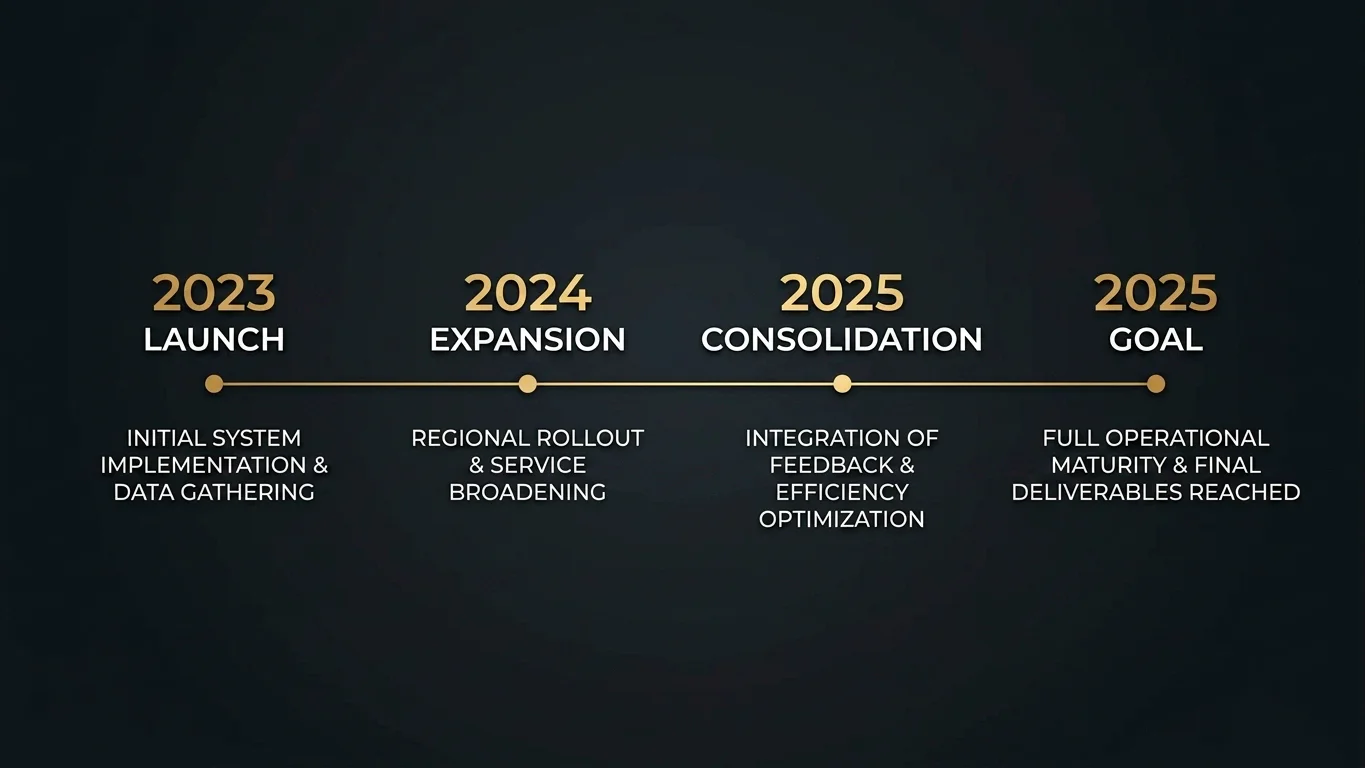
From a timeline perspective, the reform unfolded in stages. The legislation was enacted in mid-2023, with a transitional period running through 2024 and into 2025. The CGA began accepting applications in early 2024, and the first green seals were issued later that year. The final orange-seal expiry in October 2025 marked the definitive end of the transition. Any operator still active today without a green seal is, by definition, operating outside the CGA framework.
CGA Licence Status of Rollino: Green or Orange Seal?
When the orange-seal deadline passed in October 2025, the landscape split cleanly. Operators with green seals continued business as usual. Operators stuck on orange — or worse, with no seal at all — faced a choice between shutting down and operating illegally. I tracked over forty Curaçao-licensed brands through this transition, and the attrition rate was notable: several well-known names quietly went offline rather than complete the CGA process.
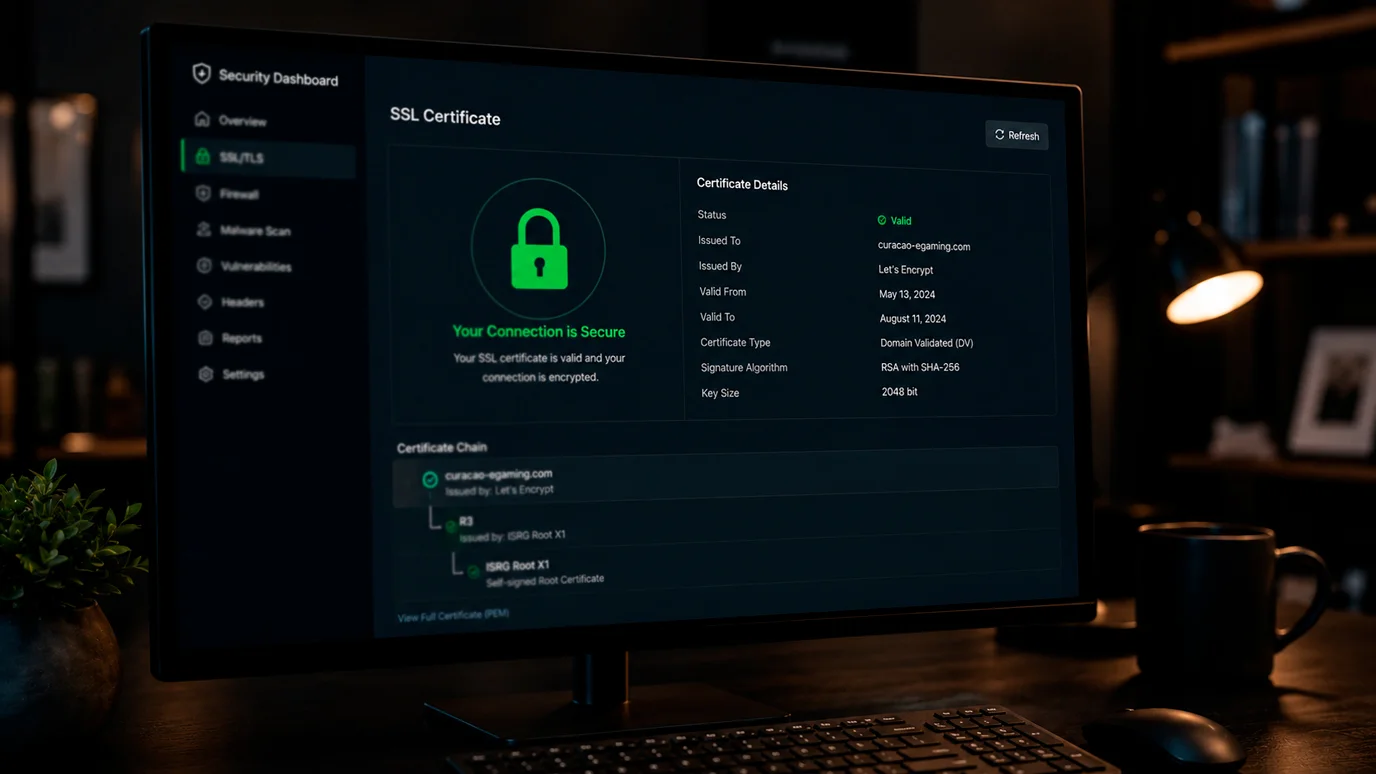
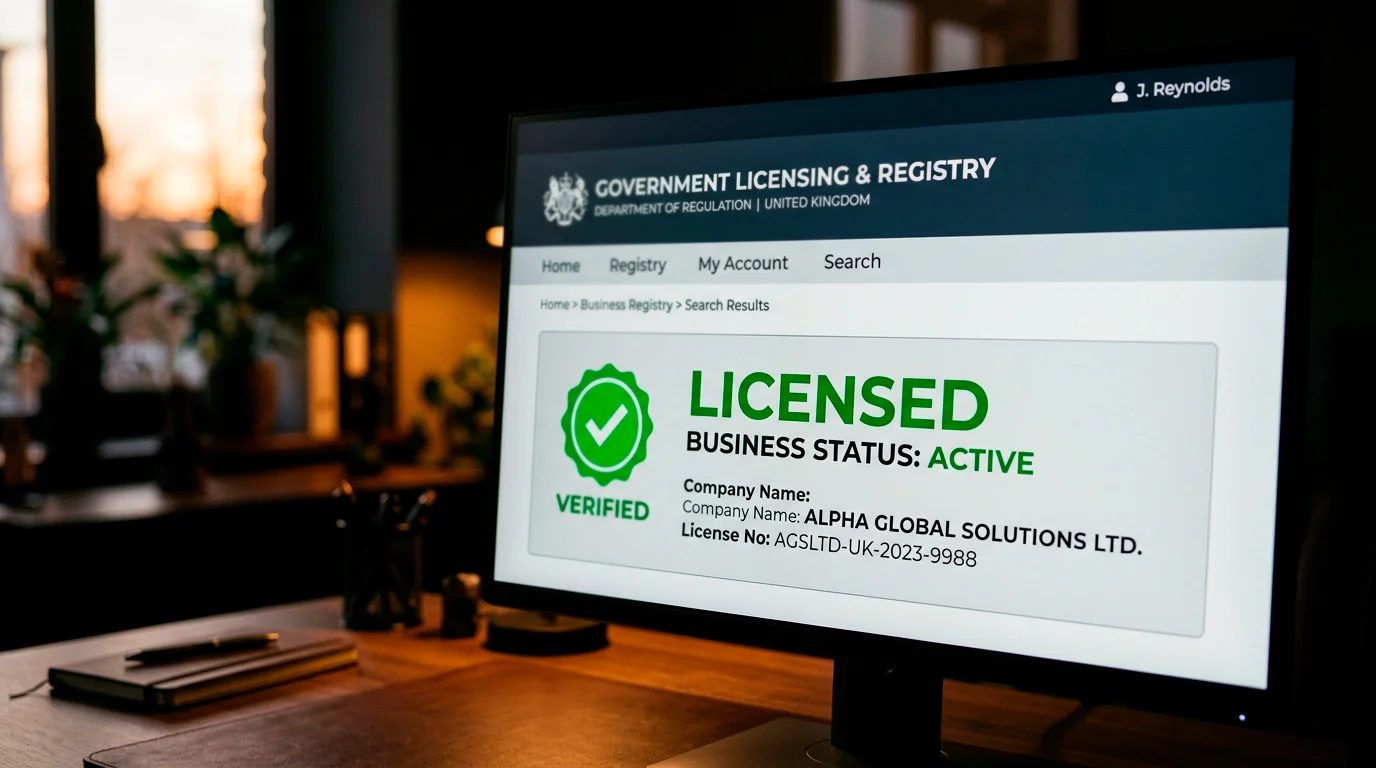
Rollino’s operator, Altacore N.V., is listed as a registered Curaçao entity with CGA-licensed status. The seal displayed on the Rollino homepage at the time of this analysis reflects the post-reform framework. Verifying this independently is straightforward: the CGA maintains a public registry of licensed operators, and anyone can cross-reference an operator’s name and licence number against the registry to confirm current status. I recommend doing this periodically rather than relying on the seal graphic alone — a static image on a website is not proof of an active licence.
The practical significance of the green seal is twofold. First, it confirms that the operator has undergone the full CGA review process, including anti-money laundering checks, beneficial ownership disclosure, and technical audits. Second, it means the operator is subject to the CGA’s ongoing compliance monitoring, which includes the ability to suspend or revoke the licence if standards are not maintained. Under the old sublicence model, a player had no direct recourse to the regulator. Under the CGA model, complaints can be escalated to the authority itself — a meaningful upgrade in player protection.
That said, a Curaçao CGA licence is not equivalent to a licence from the UK Gambling Commission or the Malta Gaming Authority. The CGA is a young institution building its enforcement track record from scratch. The legal and procedural frameworks are in place, but whether the regulator has the resources and the political will to enforce them consistently remains an open question heading into 2026.
I also want to address something that gets lost in the green-versus-orange discussion: the seal itself is a visual indicator, not a legal document. The actual licence is a written authorisation issued by the CGA to a specific legal entity — in Rollino’s case, Altacore N.V. — with defined terms, conditions, and scope. The seal on the website is meant to provide a quick visual confirmation, but it can be copied, faked, or displayed by a platform that no longer holds valid authorisation. Independent verification through the CGA registry is the only reliable check. I make this point not to cast doubt on Rollino specifically, but because the industry as a whole has a history of operators displaying outdated or fraudulent regulatory badges.
Player Protection Requirements Under the Curaçao Licence
A licensing reform means nothing to a player if it does not translate into tangible safeguards. So what does the CGA actually require from operators in terms of player protection?
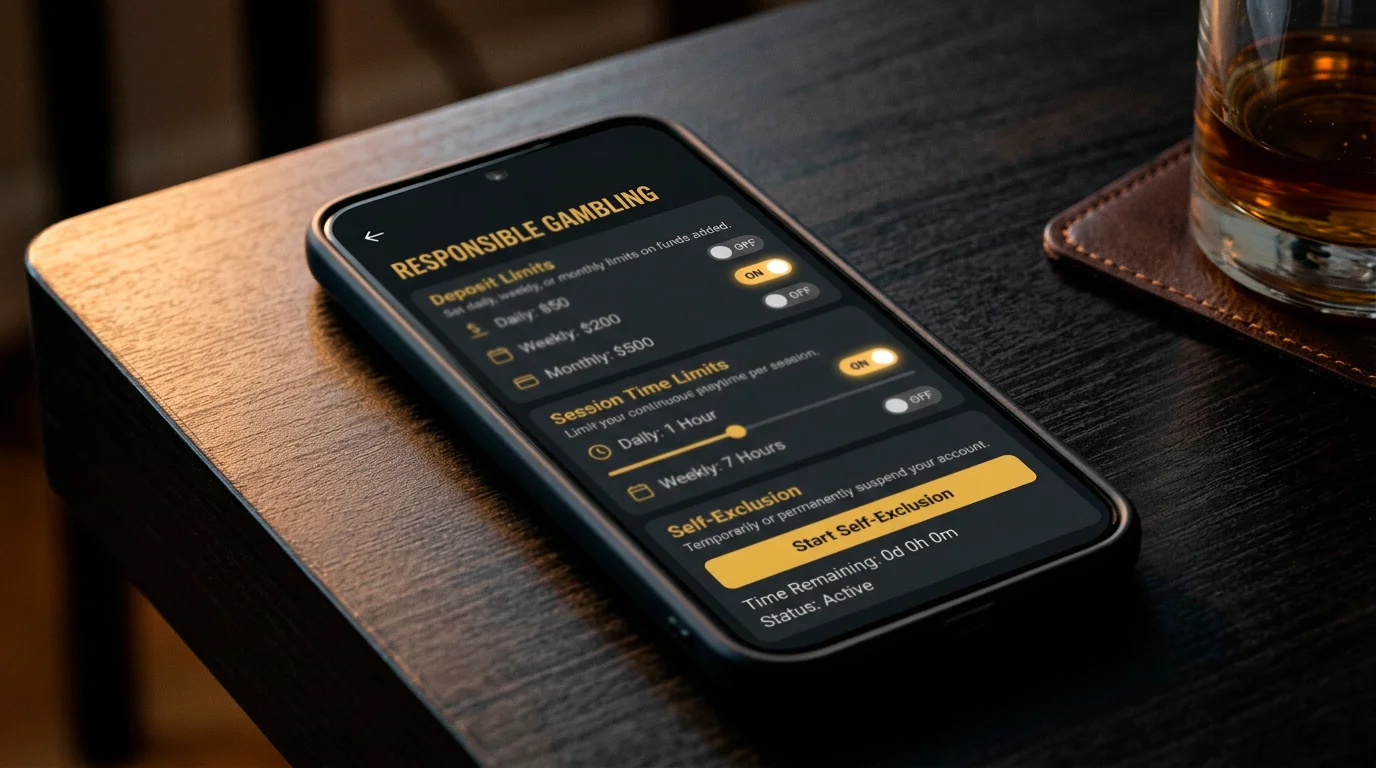
The LOK reform mandated several specific measures. Licensed operators must offer self-exclusion tools — mechanisms that allow a player to block their own access to the platform for a defined period or permanently. They must provide deposit limits that the player can set and that the operator cannot override upward without a cooling-off period. And they must maintain a responsible gambling policy that is accessible from every page of the platform, not buried in the terms and conditions.
These requirements bring Curaçao closer to the standards already established by the Malta Gaming Authority and the UK Gambling Commission, though gaps remain. The UKGC, for instance, requires operators to monitor player behaviour for signs of harm and to intervene proactively — not just provide opt-in tools. The CGA’s current framework places more responsibility on the player to use the tools available, which is a philosophical difference with practical implications.
Looking ahead, the regulatory environment is about to get another layer of complexity. The EU AI Act becomes fully applicable in August 2026, which will make auditability and explainability of AI-driven systems mandatory for iGaming platforms operating in or serving EU markets. Operators that use algorithmic tools for player segmentation, bonus targeting, or risk scoring will need to demonstrate that those systems can be explained and audited. This is not directly a Curaçao requirement, but it will affect any operator — including Curaçao-licensed ones — that processes data from EU-based players.
For Rollino specifically, the player protection tools listed on the platform include session time limits, deposit ceilings, loss limits, and self-exclusion options. Whether these tools are actively monitored by the operator or simply available for the player to configure is a question that the CGA’s ongoing compliance audits should answer over time.
Rollino Casino and German Gambling Law
Here is where the analysis gets uncomfortable, because the legal situation for German players using Curaçao-licensed casinos is a textbook example of regulatory ambiguity.
Germany’s Interstate Treaty on Gambling — the Glücksspielstaatsvertrag, or GlüStV — established a federal licensing framework for online gambling that went into full effect in 2021. Under this framework, operators must hold a German licence issued by the Gemeinsame Glücksspielbehörde der Länder (GGL) to legally offer their services to German residents. Rollino does not hold a GGL licence. It operates under a Curaçao CGA licence, which is not recognised under German law.
Does this mean German players are breaking the law by using Rollino? The answer is legally nuanced. The GlüStV primarily targets operators, not individual players. Enforcement actions in Germany have focused on blocking payment processing to unlicensed operators and, in some cases, issuing administrative orders against the operators themselves. Individual players have not been prosecuted for using offshore platforms, though the legal basis for doing so exists in theory.
The practical reality is that Curaçao-licensed casinos like Rollino remain accessible to German players. They are not blocked by ISP-level restrictions, and payment processing — particularly through cryptocurrency — is difficult for regulators to intercept. This accessibility does not constitute legality; it reflects the gap between regulatory intent and enforcement capacity.
For German players considering Rollino, the implications are concrete. First, there is no recourse through German regulatory channels if a dispute arises — the GGL has no jurisdiction over a Curaçao-licensed operator. Second, winnings from unlicensed operators exist in a tax grey zone that could attract scrutiny if declared or discovered. Third, the player protection standards required by the GlüStV — which include mandatory deposit limits, activity monitoring, and a nationwide self-exclusion register called OASIS — do not apply to Curaçao-licensed platforms.
None of this is unique to Rollino. Every Curaçao-licensed casino that accepts German players operates in the same regulatory gap. The question for individual players is whether they are comfortable with the trade-offs: a broader game selection and higher limits, balanced against reduced regulatory oversight and no domestic dispute resolution mechanism.
It is also worth noting that the regulatory landscape is not static. German authorities have become progressively more active in enforcement against unlicensed operators. The GGL has issued blocking orders against payment providers servicing unlicensed platforms, and there have been discussions about implementing DNS-level blocking for non-compliant gambling sites. Whether these measures will materially affect access to Curaçao-licensed platforms remains to be seen, but the direction of travel is clear: Germany is tightening its enforcement, not relaxing it.

For players in other European jurisdictions, the legal picture varies. Austria, for instance, has pursued aggressive enforcement against unlicensed operators through civil courts, with players in some cases successfully recovering losses from operators that accepted their bets without a domestic licence. The UK has its own comprehensive framework through the Gambling Commission, and UK-licensed operators are prohibited from serving players without proper affordability checks. The Curaçao licence does not interact with any of these domestic frameworks — it stands alone, governed by Curaçao law and the CGA’s authority.
Curaçao vs. MGA vs. GlüStV: Licence Models Compared
Last year at an iGaming conference in Valletta, I sat through a panel where three compliance officers from three different jurisdictions described their frameworks. The MGA representative spoke about proactive enforcement. The German delegate talked about structural limitations. The Curaçao representative talked about progress. Each was right within their own context, and that context is what players need to understand.
The Malta Gaming Authority — the MGA — is the benchmark for European offshore licensing. It has been issuing gambling licences since 2001, has a dedicated enforcement division, and operates within the EU legal framework. MGA-licensed operators must meet stringent capital requirements, submit to regular audits, and maintain segregated player funds — meaning player deposits are held separately from operating capital. If an MGA-licensed operator goes bankrupt, player funds are theoretically protected. The MGA also has a well-established complaint resolution process with real enforcement power.
The German GlüStV framework is stricter in terms of player-facing restrictions but narrower in scope. GGL-licensed casinos must enforce a EUR 1,000 monthly deposit limit, a EUR 1.00 maximum bet on slots, and a mandatory five-second spin interval. Table games and live dealer games are restricted to specific licence categories. These rules make the German-licensed experience fundamentally different from what Curaçao or MGA platforms offer. The trade-off is regulatory certainty and domestic legal protection.
The Curaçao CGA sits somewhere between the MGA’s established framework and the GlüStV’s restrictive model. The post-reform CGA has adopted many of the structural elements found in MGA licensing — direct operator accountability, AML requirements, player protection mandates — but without the decades of enforcement history that give those elements weight. The CGA’s effectiveness will ultimately be measured by how it handles its first major enforcement actions: licence suspensions, financial penalties, and operator disputes.
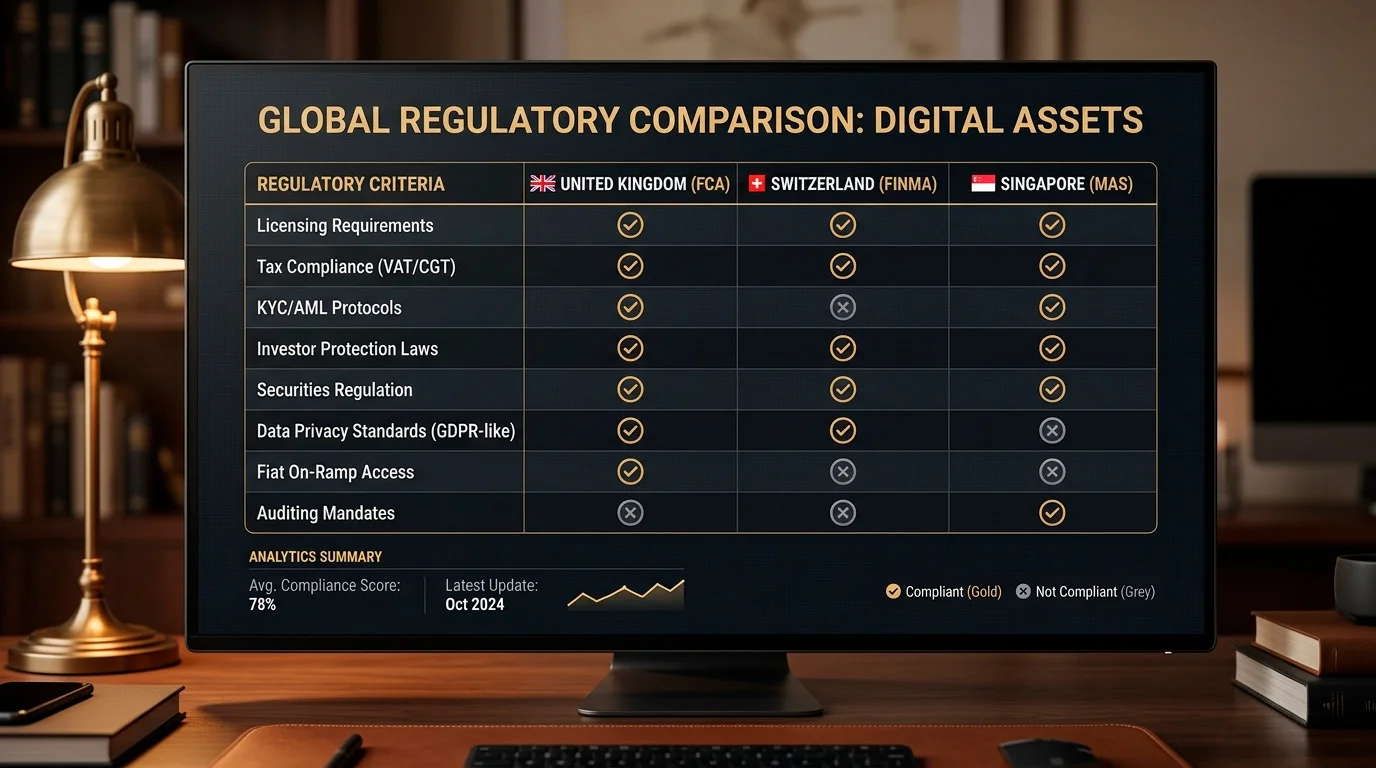
For a player choosing between platforms, the licence type signals what kind of regulatory environment you are operating in. An MGA licence provides the strongest consumer protections available in the European offshore market. A GlüStV licence provides domestic legal certainty in Germany at the cost of gameplay restrictions. A Curaçao CGA licence provides a middle ground that is improving rapidly but has not yet been fully tested under pressure. Rollino’s Curaçao licence places it in this third category — functional, legitimate under Curaçao law, and subject to a regulatory framework that is still maturing.
The honest assessment: the CGA reform moved the needle significantly. Two years ago, a Curaçao licence was little more than a registration certificate. Today it represents a structured regulatory relationship with defined obligations and, crucially, the possibility of enforcement. Whether that possibility becomes routine practice is the question that 2026 and 2027 will answer.
One dimension that is easy to overlook in these comparisons is dispute resolution speed. An MGA-licensed player who files a complaint typically receives a response within 30 to 90 days, backed by a formal adjudication process. A GlüStV complaint goes through the German regulatory apparatus, which is thorough but slow. The CGA’s complaint mechanism is new enough that there is limited public data on resolution timelines. For players who prioritise the ability to escalate disputes to a responsive authority, this is a material consideration when choosing between licence types.

Cost also factors into the equation from the operator’s side, and it affects what players experience. MGA-licensed operators pay higher compliance costs, which translates into tighter margins and, in some cases, less generous bonus structures or higher rake on games. GlüStV-licensed operators face even higher costs due to the German tax regime on gambling revenue. Curaçao-licensed operators generally have lower overhead, which allows them to offer higher match bonuses, broader game catalogues, and higher withdrawal limits. The player benefits from these economics, but the lower cost also means fewer regulatory resources backing the licence. It is a trade-off, not a free lunch.
FAQ: Rollino Casino Licence
Has Rollino Casino obtained the new Curaçao CGA licence?
Rollino’s operator, Altacore N.V., is listed under the post-reform CGA framework. The orange transitional seals expired on 15 October 2025, meaning any operator still active after that date must hold a direct CGA licence. The CGA maintains a public registry where licence status can be independently verified.
Can German players legally use Rollino Casino?
Rollino does not hold a German GGL licence. Under the Glücksspielstaatsvertrag, only GGL-licensed operators are authorised to serve German residents. Enforcement has focused on operators rather than individual players, but using an unlicensed platform means forgoing domestic regulatory protections and dispute resolution channels.
How does the Curaçao licence differ from an EU licence?
The Curaçao CGA licence operates outside the EU regulatory framework. It does not carry the same capital requirements, player fund segregation mandates, or cross-border enforcement mechanisms that MGA or UKGC licences provide. The post-reform CGA has adopted stricter standards than its predecessor, but the enforcement track record is still being established.
What happens if a Curaçao casino fails to meet the LOK requirements?
Operators that did not obtain a direct CGA licence by the 15 October 2025 deadline lost their authorisation to operate. The CGA has the power to suspend or revoke licences for non-compliance, and platforms operating without valid authorisation face potential enforcement action. Players on non-compliant platforms lose any regulatory recourse they might have had under the licensing framework.
Created by the ”Rollino Casino” editorial team.